
The need for haircuts and beard grooming is ubiquitous. Barbershops have been around since the beginning of time, and these businesses are not only able to render a service that remains in demand but also serve as a community center in many areas. These businesses are able to produce highly predictable revenue from providing ongoing haircuts and personal styling at a cost-effective price. One of the other nice things about developing a barbershop is that these businesses typically have relatively low startup cost as a function of their revenue.
The approach we take when developing a barbershop business plan is the first determine the size of the market. This is accomplished through deep market analysis that examines the number of people in the target market radius, their median household income, as well as population density. We complement this research by also examining the median household value in order to determine the wealth of the area as well as the direction of its regional economy. This allows us to create an assumptions driven list which is used during the creation of the barbershop financial model.
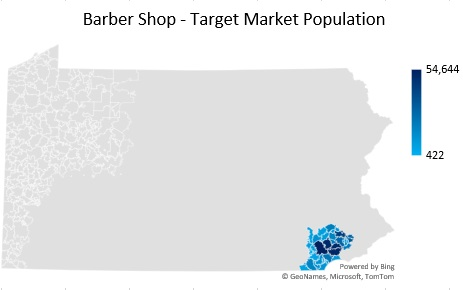
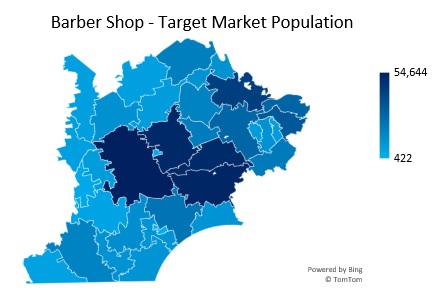
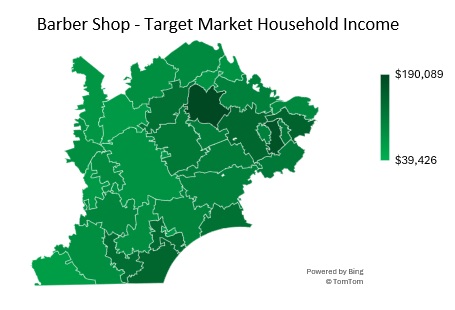
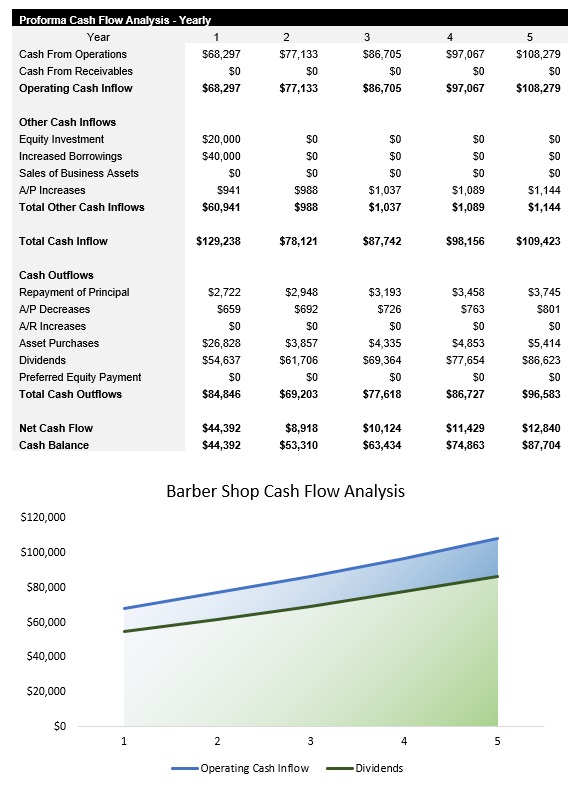
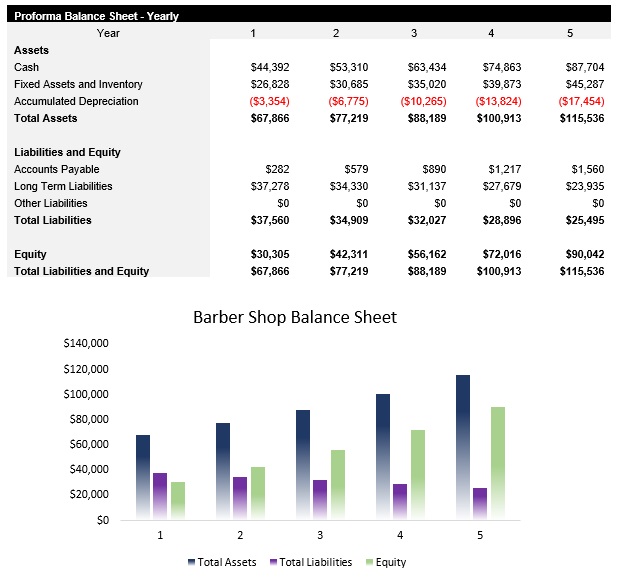
As you may have guessed it, the development of the financial plan is the second part of our process. Here, we include a five-year profit and loss statement, cash flow analysis, balance sheet, breakeven analysis, as well as a DSCR analysis. These metrics are extremely important to people that review business plans. We also provide monthly profit and loss statements for the first year of operation and quarterly financial statements for years two through five.
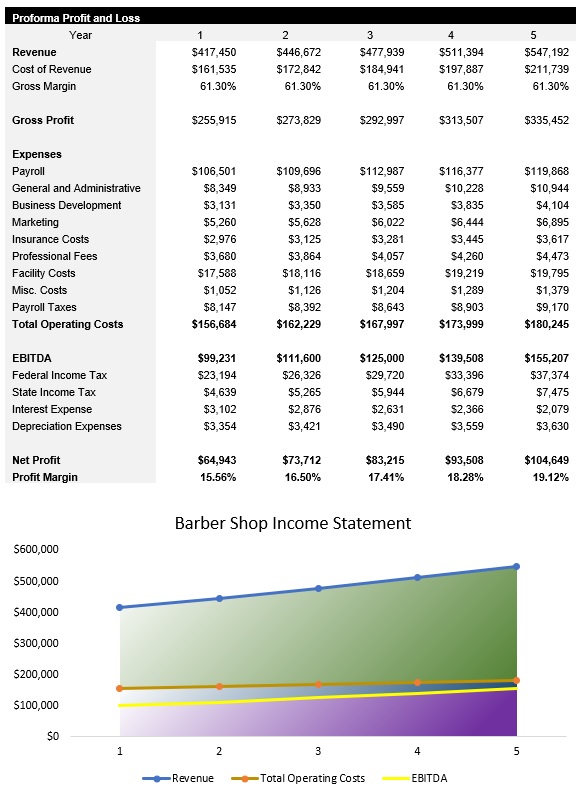
The next step in the process is the development of the barbershop marketing plan. We always include two sections within this chapter with a focus on both pre-launch marketing as well as ongoing strategies that we used to create brand visibility. As it relates to pre-launch marketing, we thoroughly discuss the use of mailed advertisements as well as the launch of the company’s proprietary website. This allows the barbershop entrepreneur to gain an advantage from a search engine optimization standpoint. Ongoing marketing strategies include the use of targeted social media, regional distribution of video advertisements, ongoing use of flyers, and other related marketing strategies. We also discuss the high visibility location that will be acquired to conduct business operations.
Once these three chapters are completed, we then move into developing the barbershop operations plan. Here, we focus on the number of barbers that we hired at the onset of operations, the types of services offered, the pricing for barber services, as well as other day-to-day operational issues.
The secondary chapters of the business plan include a risk analysis, SWOT analysis, and an overview of key strategic issues. The SWOT analysis covers the strengths, weaknesses, opportunities, and threats to the barbershop. As it relates to strengths, these businesses enjoy a substantial debris of economic stability as people will require haircuts at all times. For weaknesses, there are very low barriers that entry for a barbershop enterprise. As it relates to opportunities, these businesses can expand by working with established barbers that will bring their book of business to the location. The ongoing threats associated with this type of enterprise primarily are as a result of ongoing competition for more established businesses in the target market area.
We also include a full startup analysis, which includes the allocation of capital specific for the build out of the barbershop, its equipment, initial marketing, and general working capital.
We then finalize the business plan with the barbershop executive summary. Here, we discuss the use of high impact marketing strategies to create brand visibility, an overview of the operations of the business, a market overview, and a quick financial snapshot will also having the document serve as a guide for the rest of the business plan.