
Although games stores have always been popular retail businesses, their popularity continues to grow especially as people from the Millennial Generation and Generation Z continue to enjoy video games as adults. These businesses are able to provide access to premium games while offering a sense of nostalgia among people that were raised in the 1980s in 1990s. One of the common trends within this industry is to operate as a community driven center where people can enjoy video gaming as well as tabletop gaming in a group setting.
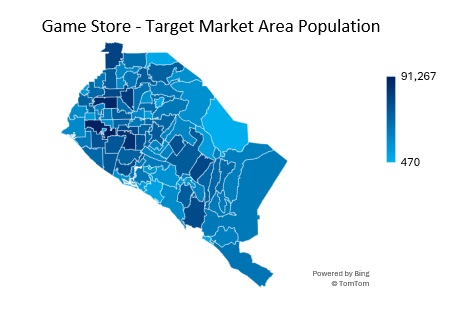
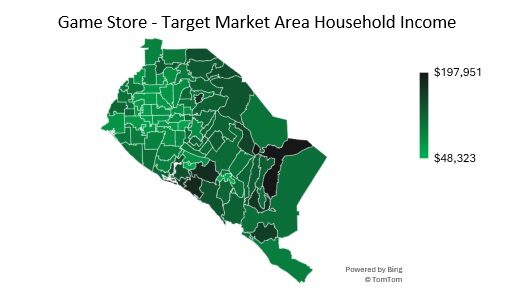
We take a multifaceted approach when developing a business plan specific for a game store. Most importantly, we conduct an extensive amount of research regarding the demographic profile that is developed as compared to the population size and population density. The scope of this analysis further extends to discuss discussing the median household income, as well as other economic driven metrics in order to ensure that the target market is economically viable for a game store.
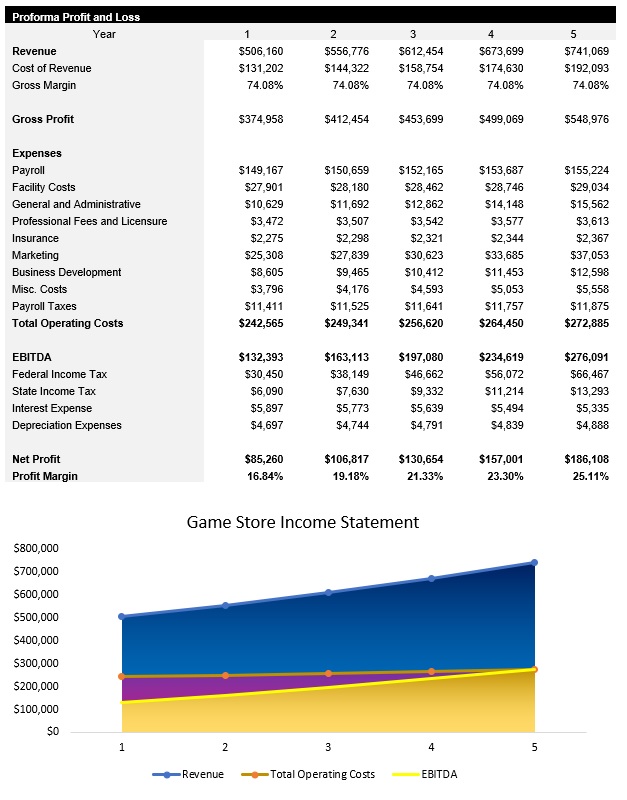
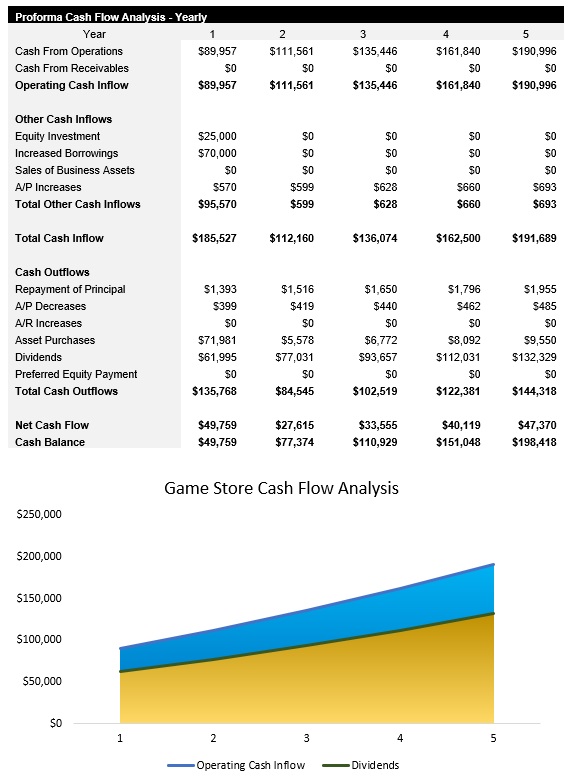
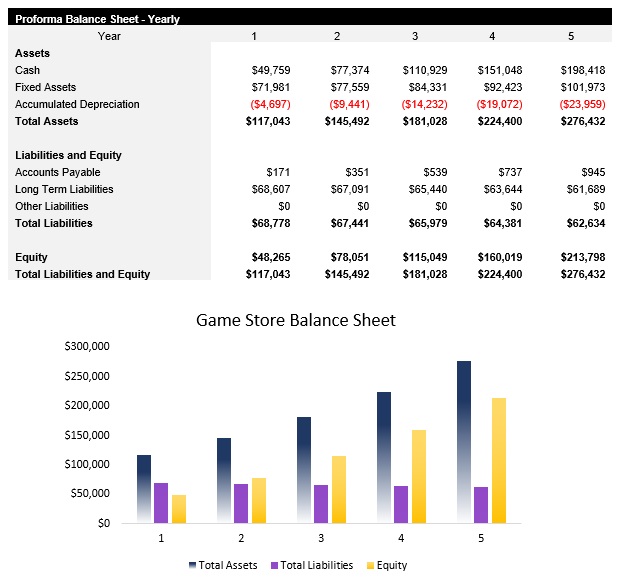
The financial models that we develop are very much assumptions driven, and we ensure that every figure can be backed up by citable research. The game store financial plan includes a five-year profit and loss statement, cash flow analysis, balance sheet, breakeven analysis, DSCR analysis, as well as business ratios. We also include monthly profit and loss in cash flow statements for the first year of operation and quarterly for years two through five.
We then move into the operation section of the business plan in order to discuss the types of games that are provided, whether or not there will be a open area for people to enjoy games together, staffing related issues, hours of operation, and other aspects of the day-to-day operations of the game store.
The fourth part of the process includes the development of the game store marketing plan. Here, we primarily focus on sourcing an appropriate retail location that will have substantial exterior signage. We also discuss the use of numerous online marketing strategies that are employed prior to the launch full scale operations, as well as throughout the life of the game store. We specifically focus on developing marketing messages that resonate with people that have a love of both video games as well as tabletop games. The use of outreach is also an important part for creating word-of-mouth referrals.
We then move into developing the secondary chapters and appendices of the business plan. This includes a game store risk analysis, game store SWOT analysis, and addressing strategic issues that need to be incorporated into the business’ growth plan. As it releases the strengths, we focus heavily on the highly predictable nature of revenue as well as the fact that video games are a low cost for an entertainment. As it relates to weaknesses, these businesses do tend to have low barriers to entry while also facing competition from online retailers. As it relates to opportunities, we continue to discuss the expansion of marketing campaigns in order to brand the game store as a community focused enterprise. For threats, and extremely severe economic recession can impact the revenue of game stores although many people will increase their expenditure on games as a lower cost form of entertainment.
Finally, we move onto developing the game store executive summary. This chapter provides a complete overview of every aspect of the business in a snapshot format. It includes an overview of the operations, an overview of the location, a brief discussion regarding the anticipated financial results, and other general information about the business.