
Courier services provide an invaluable solution for short distance transportation of small-scale goods within their respective regional markets. These businesses have a significant amount of opportunity for growth given that they can work with numerous clients spanning retailers, product distributors, as well as third-party logistics companies when rendering their services. In fact, many courier services partner with major logistic firms in order to provide last mile delivery services from time to time. Courier services enjoy highly predictable streams of revenue that allow them to generate significant profit will also have enough capital for ongoing expansion. Although these businesses have low barriers entry, they are highly scalable.
When we are engaged to develop a courier service business plan, one of the things that we focus on very heavily it is market research. The first step in this process is determining the number of potential clients that a courier service can onboard from the onset of operations as well as throughout the life of the business. The scope of our analysis includes the number of retailers in the target market, the number of product distributors, as well as the number of households. In regards to the latter, the number of households indicates the ongoing demand for last mile delivery services, especially for partnerships with major logistics enterprises and global e-commerce retailers.
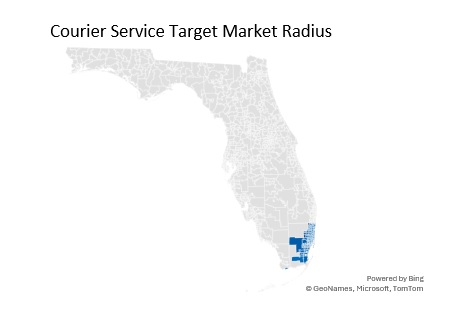
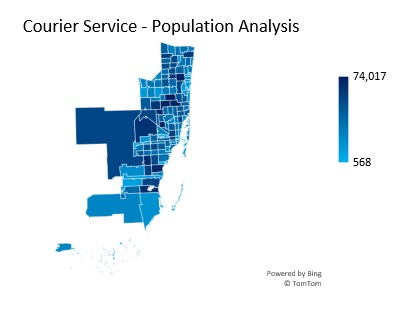
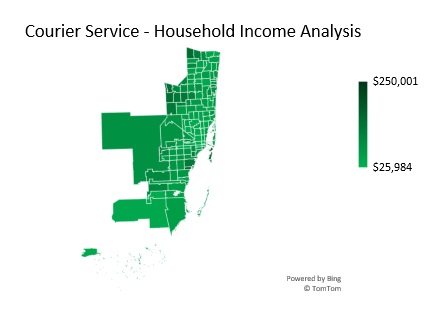
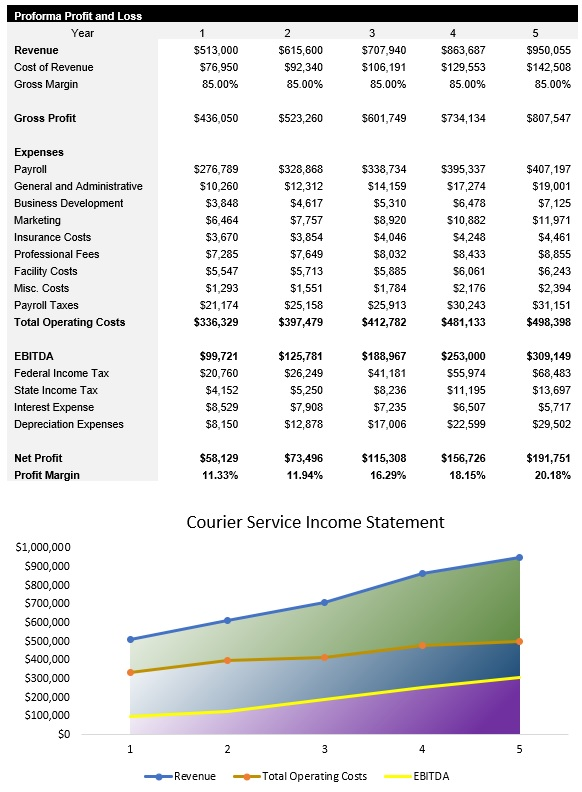
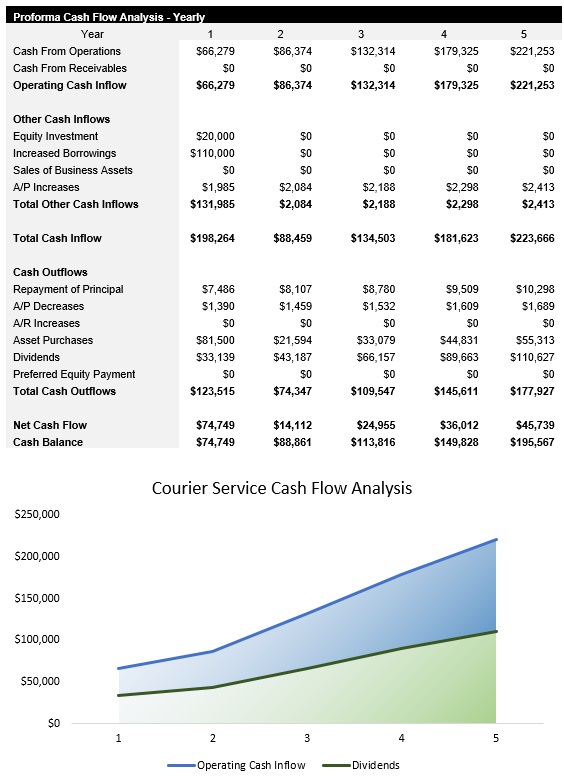
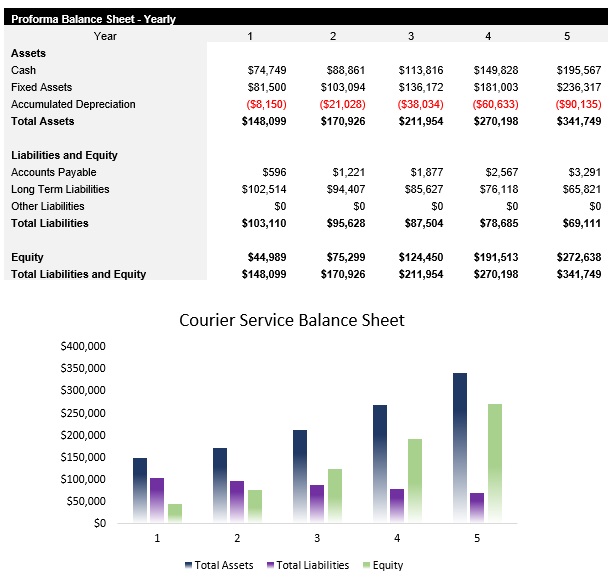
The second part of the courier service business plan development process is the creation of the financial plan. Here, we produce several statements that provide deep insight into the anticipated financial results of the business over five-year timeframe. The financial model always includes a profit in loss statement, cash flow analysis, balance sheet, break analysis, DSCR analysis, as well as other important metrics regarding the per mile fees that are generated by these businesses. It should be noted that when we develop the revenue profile for a courier service, we focus very heavily on the effective per mile revenue that is produced. Most consulting engagements are done on a fixed price basis, regardless of the amount of distance traveled with certain exceptions. Once we develop the revenue profile, we then apply these figures to the profit and loss statement. The operating cost section is then developed.
Once we complete the financial plan, we move into the courier service marketing plan. Here, we discuss developing ongoing relationships with third-party logistics in transportation enterprises that will call on the courier service to render parcel delivery. There are numerous programs available among major logistics companies that allow smaller scale courier services to enroll as service providers on their platform. They allow for early revenue generation as the business establishes direct relationships with retailers and product distributors throughout the regional market. We also focus on the use of a proprietary website in order to showcase of services to the general public. However, courier services are typically not consumer facing businesses, so there does not need to allocate a significant amount of capital allocated towards online marketing. This is very much a business-to-business enterprise.
The fourth step of the process is the development of the courier service operations plan. Here, we discussed the number of drivers that will be hired, the types of vehicles that we use when rendering parcel delivery, safety protocols/procedures, as well as adherence to regulatory matters when rendering courier services.
We also develop a use of funds table that showcases how the startup budget will be allocated during the first year of operation. This is further complimented with a Gantt chart that showcases how reinvestment will occur in years two through five. We always take a conservative and measured approach when showcasing the growth of any business. One of the nice things about a courier service that it does have access to capital as well as lease financing for additional operating assets.
The business plans we develop always include a SWOT analysis which, for a courier service, outlines the strengths, weaknesses, opportunities, and threats. As it releases, strengths, these businesses, as compared to other types of logistics companies, have low barriers to entry and are able to reach profitability quickly. As it relates to weaknesses, this is very much a crowded industry with hundreds of thousands of service providers. As such, it is imperative that the courier service maintains highly control of operating cost in order to remain pricing competitive at all times. There are numerous opportunities to expand a courier service, including through the continued acquisition of delivery vans and trucks that can service a greater geographic area. The primary threat that is faced by these businesses is the continued increase and the price of energy. However, most entrepreneurs in this field will increase their fees in lockstep with increasing gas prices. Many courier services have begun to use electric vehicles given that they have become far more reliable.
Once we have completed all of these sections, we then move into the development of the courier service executive summary. This section of the analysis provides a quick overview of every aspect of the company ‘s operations, including the market in which operates, the services rendered, the number of employees the company will have, its growth plan, as well as other pertinent and important notations about the business.