
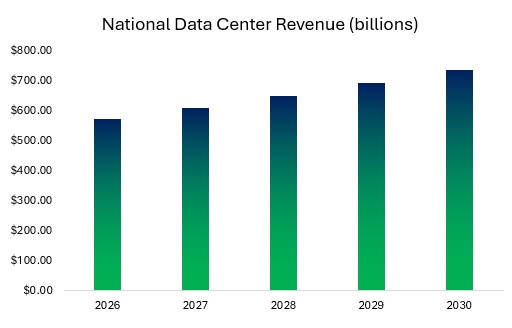
In the coming years, data centers will continue to become one of the most important aspects of the domestic and international economy. With the advent of new technologies that have created a tectonic change in the way that people conduct life and business, the demand for large scale centers that can store vast quantities of data while also providing access to incredible computing power will continue to grow. When we develop a business plan specific for a new data center enterprise, we take a multi-phase approach in order to showcase each aspect of the company’s operations. These businesses typically require several millions of dollars to launch, which is why this requires a significant degree of business planning. Most importantly, we focus very heavily on the highly recurring streams of revenue that are generated from hosting/storing large amounts of data as well as application suites on behalf of clients. This forms the foundation of the business plan given that this is the primary reason why these companies are able to remain economically viable at all times.
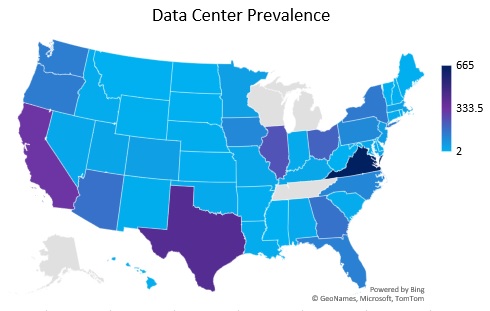
When we developed the market research specific for a data center, we take a national level approach to these this part of the process. This is primarily due to the fact that data centers can render their services to any enterprise within the country, and they are not overly bound by geographic location. There are exceptions to this regarding bandwidth and working with regional enterprises. However, these businesses are able to attract a national level client base. The scope of the market research primarily focuses on the number of corporations that can be effectively targeted that will onboard as clients for using the data centers services. This includes the development of a demographic profile that addresses the average client of the business. Based on the amount of equipment that is going to be available, we then develop a unit economics table regarding the per month pricing fees that will be offered to clients. This allows us to form the basis of the revenue profile which includes not only smaller-scale enterprises that have more moderate data center needs but also large-scale companies that were require a significant amount of bandwidth and services on a monthly basis.
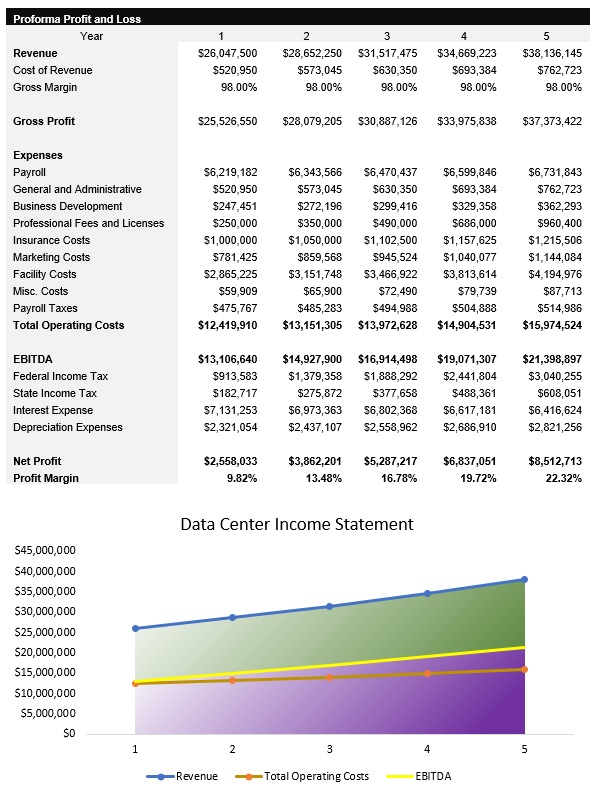
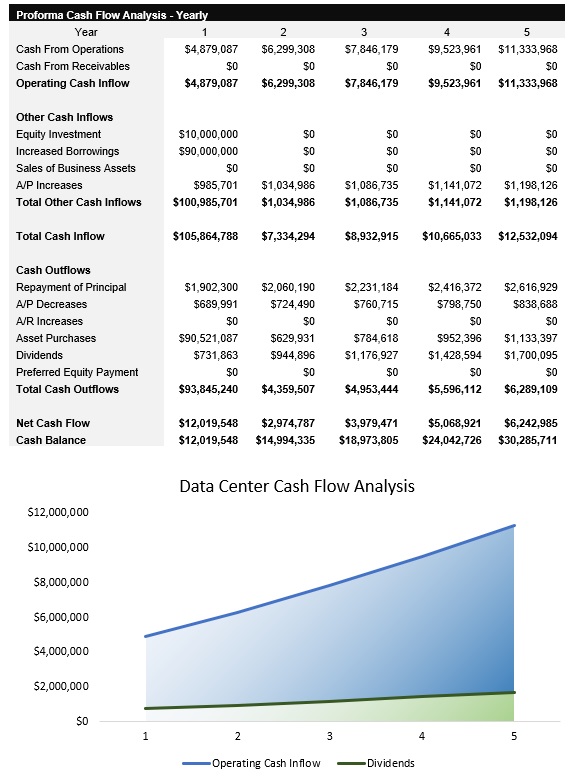
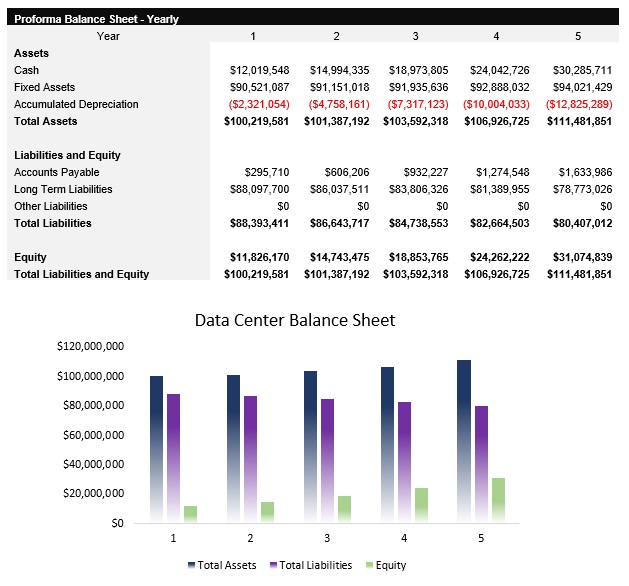
Once the data center revenue profile is complete completed, we then move into developing the financial plan. Here, we developed a five-year profit and loss, statement, cash flow, analysis, balance sheet, breaking analysis, business ratios, as well as a DSCR analysis. In many instances, data centers use a combination of both debt and equity capital in order to establish these locations. The land in real estate portion of the startup budget is typically financed in tandem with financial institutions.
We then move into developing the data center marketing plan. Here, we focus very heavily on conducting direct outreach with enterprises at that require data services during the course of the development. This includes the creation of sales materials that showcase each aspect of the data centers operations and its ability to provide comprehensive technology services. This ensures that once the data centers construction is completed that clients can be quickly onboarded for hosting their databases and application suites at the company’s location.
As it relates to online related marketing, one of the things that we present is the development of the online presence during the course of construction. This allows potential clients to gain a deep understanding of the services offered well also providing a headstart as it relates to both regional and national level search engine optimization. Given the scope and scale of these enterprises, one of the other strategies that we have seen become effective is that once the building is completed that prominent IT professionals are invited to tour the facilities in order to showcase the capabilities of the business. This is an outstanding methodology of establishing strong relationships with potential clients prior to full scale revenue generating operations.
One of the other things that we focus on is the asset acquisition analysis so that it is understood what types of equipment will be used throughout the course of the operations. This includes addressing issues related to obsolescence given that many data centers are required to continually update their equipment in order to remain competitive. We also address matters related to the sale of equipment once it has reached the end of its useful life.
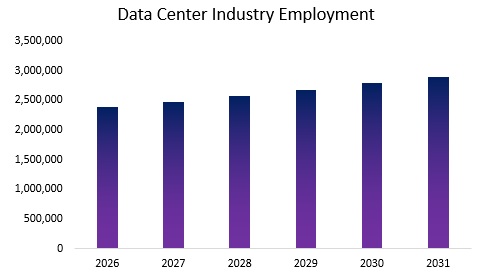
We then then move into developing the data center operations plan. In this section, we focus on the services that will be rendered as well as addressing the human resources matters. As relates to HR, this is rather complex because the data center needs to employ numerous tech technicians in IT professionals as well as security professionals as well. These businesses operate on a round the clock basis, and numerous protocols and procedures need to be developed in order to address issues that may occur at the data center.
We also include a SWOT analysis within the scope of the data center business plan. As it releases to strengths, data centers enjoy extraordinarily high barriers to entry given the scope and scale of their facilities. Additionally, these businesses produced highly recurring streams of revenue from their operations as these services remain in demand at all times. As relates to weaknesses, although highly lucrative these businesses have immense operating costs related to energy expenses as well as payroll. For opportunities, these businesses can continue to integrate the latest in technology that assist clients with their database, data analytics, and hosting needs.
For threats, the primary issue moving forward will be competition. Although this is a growing industry, the demand for data centers services is growing quicker than the current supply. Economic recessions do not typically impact the operations of these businesses.
The final step in our process is creating the data center executive summary. Here, we provide an outline of the operations of the business, especially as a relates to the number of servers that will be hosted on site. We also discussed the funding requirements of the business, information about the founders, as well as related information that provides a roadmap for the rest of the business plan.