
Cleaning services are an absolute necessity for many households as well as commercial enterprises. One of the most positive aspects of developing a cleaning service is that they are able to produce highly recurring income once a client is onboarded. These companies tend to thrive in population dense and wealthy areas, especially if the entrepreneur is establishing a residentially focused in-home cleaning service. Busy professionals, as well as executives, will typically outsource the cleaning of their homes to a third-party company to provide the service at least once per week. In especially wealthy areas, cleaning services may even provide their services 2 to 3 times per week in a residential setting. Additionally, commercial enterprises will often find that it is more economically advantageous to outsource these services to a third-party rather than maintaining their own in-house cleaning department. These businesses have numerous ways to generate substantial amounts of profit within their respective target markets.
As with any well written business plan, we always take a deep dive into the market analytics in which the individual is establishing their cleaning service. We take a dual approach to this for a cleaning service given that they are able to provide services for both residential and commercial properties. The scope of this analysis includes a population density overview, population size overview, as well as the number of residential properties within the target market range. We place a heavy focus on demographics related to median household income with a target of examining the number of people that earn over $150,000 per year. The principal reason why we do this to indicate economic stability given that higher paid individuals typically will be able to continue to afford cleaning services even during times of economic recession. In the event that this business is operating in a commercial capacity as well, we also then examine the number of retail stores and office buildings that are in the target market radius.
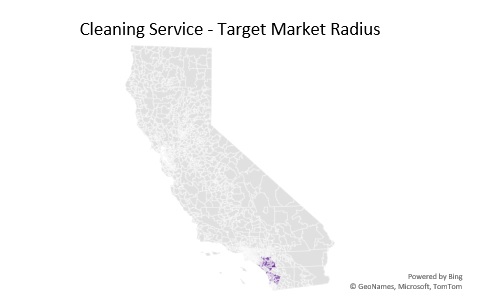
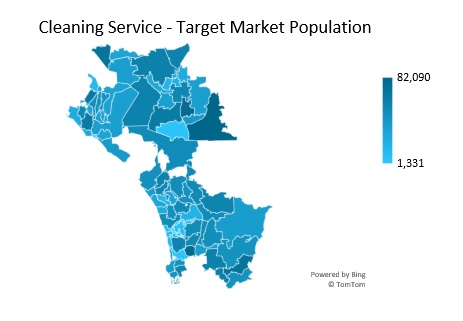
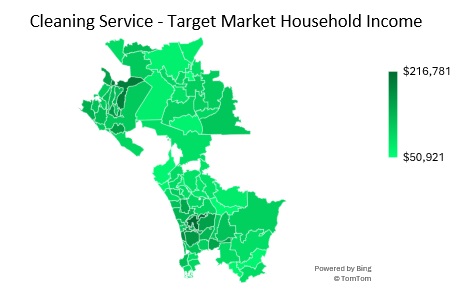
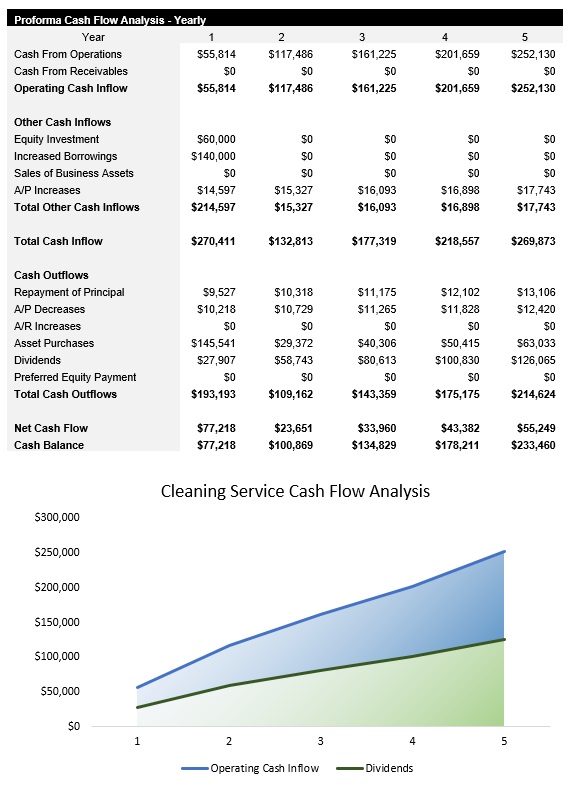
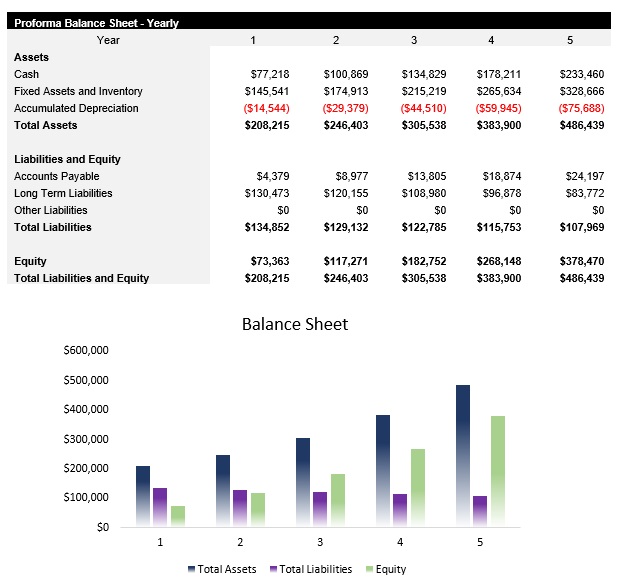
With this information is in hand, we are able to confidently create a revenue profile for the cleaning service. With this revenue profile, we are able to create the profit and loss statement. In regards to underlying operating costs, we focus very heavily on payroll as this is the biggest expense for a cleaning service outside of marketing. We then develop the cash flow analysis, common size income statement, balance sheet, breakeven analysis, as well as other important metrics that discuss the anticipated results of the cleaning service.
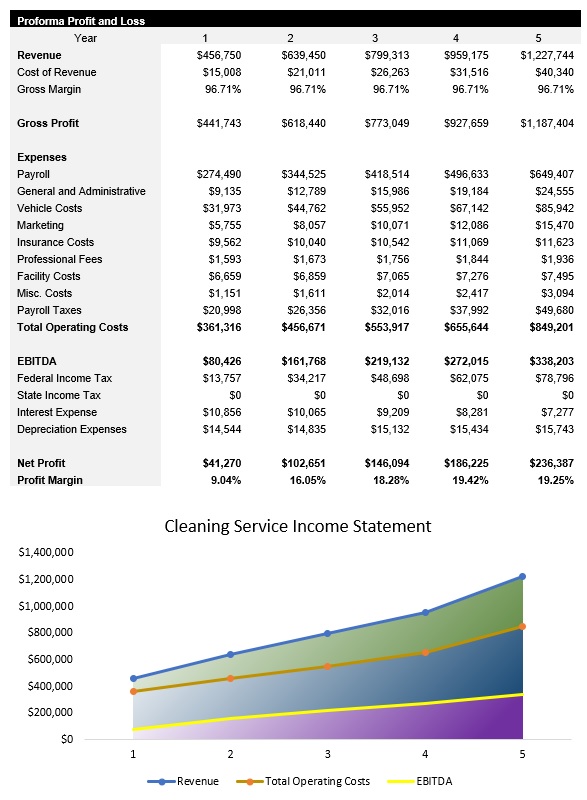
From here we then move into developing the cleaning service marketing plan. This is a multifaceted part of the business plan, especially in the event that both residential and commercial properties will be serviced. A significant focus of these operations, from a residential client standpoint focuses on development of an expansive online marketing campaign that implements pay per click marketing, regional, search engine optimization, use of social media, as well as use of review websites. One of the recent trends within the industry is to work with service arrangement companies that operate as lead generation firms for cleaning services. This can be a highly cost-effective method of acquiring residential clients. We also discuss the methods that are used for to onboard commercial clients, including direct outreach initiatives, as well as distribution of sales literature to property management firms.
Fourth, we develop the cleaning service operating plan. Here, we discussed a number of staff cleaners that will be hired in order to render services, the type of equipment needed, the number of vans that we purchased, hours of operation, contingency plans, and matters related to human resources. Typically, the section of the business plan spans one to two pages.
Fifth, now that the foundation of the cleaning service business plan is complete, we focus on developing the secondary chapters. As it relates to the SWOT analysis, we chart the strengths, weaknesses, opportunities, and threats that are common to these businesses. As it relates to the strengths, once established, these businesses are able to produce highly recurring reams of revenue from ongoing residential and commercial cleaning engagements. As it relates to weaknesses, this is an extraordinarily competitive industry and the cleaning service needs to find ways in order to differentiate themselves from more established market agents. The opportunities for a cleaning service to expand are enormous. Additional staff can be easily onboarded and there is always the potential to develop satellite locations outside of the initial target market range. As it relates to threats, an extraordinarily severe economic recession can impact revenue from both a residential and commercial standpoint, which is why we focus very heavily on targeting upper income individuals as the primary client base.
We then move into the cleaning service executive summary, which we developed to provide a complete overview of the business within a succinct two-page chapter. This includes a discussion of where the business is located, its startup budget, unique attributes about the cleaning service, the founder’s biographical overview, as well as other pertinent information that needs to be addressed immediately.