
When we develop an assisted living facility business plan, we take a multi phased approach to creating this document. Most importantly, we focus initially on completing the market research so that it can be understood how many people are in need of assisted-living care services within the target market radius. This includes an examination of the number of people over the age of 65, the median household income of the target market area, the number of competitors in the market, population size, median home value, as well as population density. Once we have this information in hand, we are then able to develop a total addressable market (TAM) analysis specific for the assisted living facility. This is an incredibly important part of the process as it assists in determining the amount of revenue that can be generated by these types of businesses.
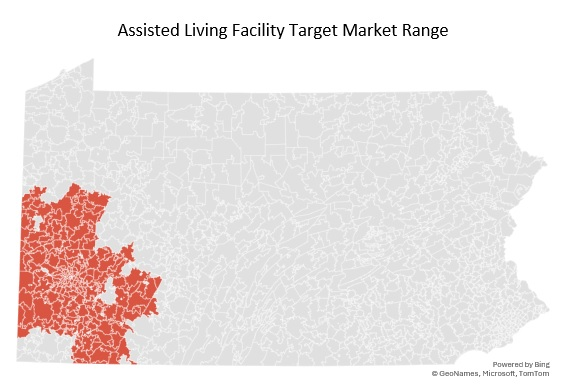
Once we determine the total address will market, we then move into determining the assisted living facility service obtainable market (SOM). This is the percentage of tam that can be reasonably targeted to onboard residents into the facility. This is the part of the process now where we have an understanding of how much revenue can be generated, which we applied to the development of the financial model. The SOM is heavily dependent on the number of competitors in the regional market area and the ongoing demand. It should be noted that the current demand for ALFs is typically higher than the available supply of rooms across many markets in the United States.
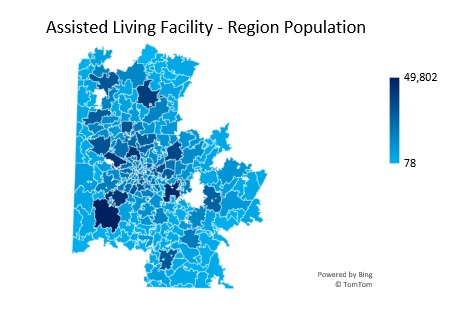
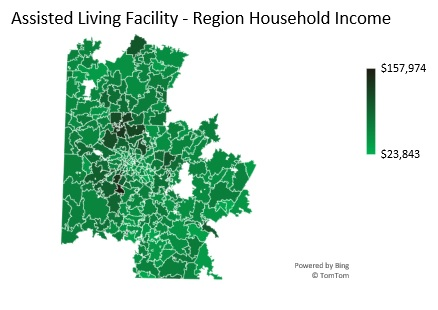
It should be noted that we not only take a look at the regional market, but also the national level market as well. This allows us to understand trends within the assisted living facility industry, pricing trends, as well as technological changes that may impact the industry. This also includes an analysis of the amount of revenue that is produced.
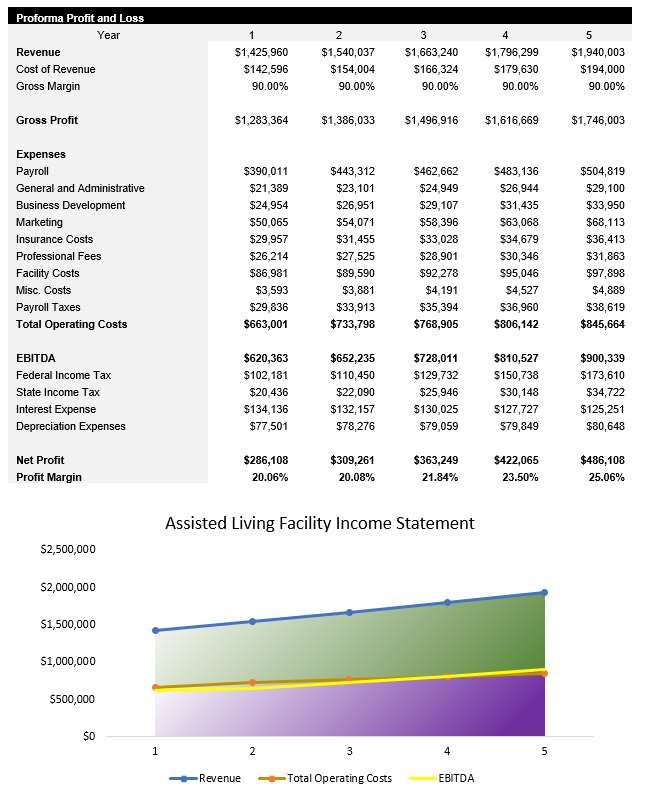
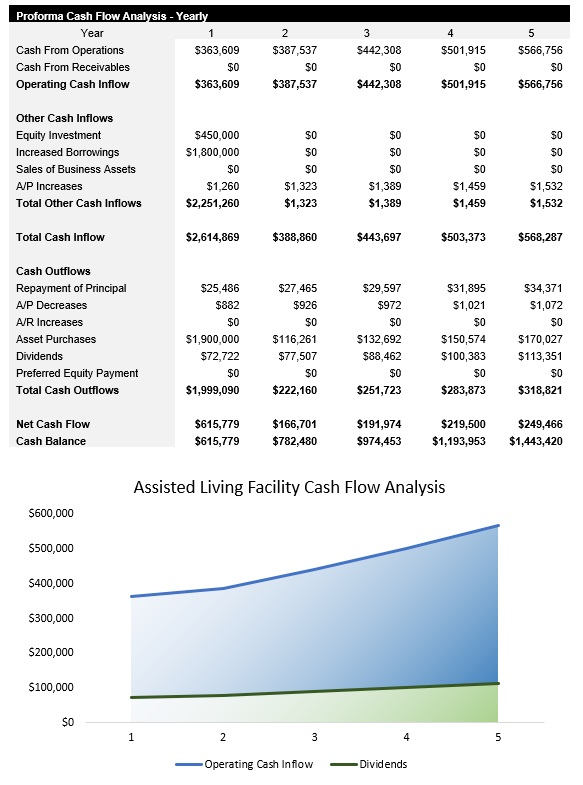
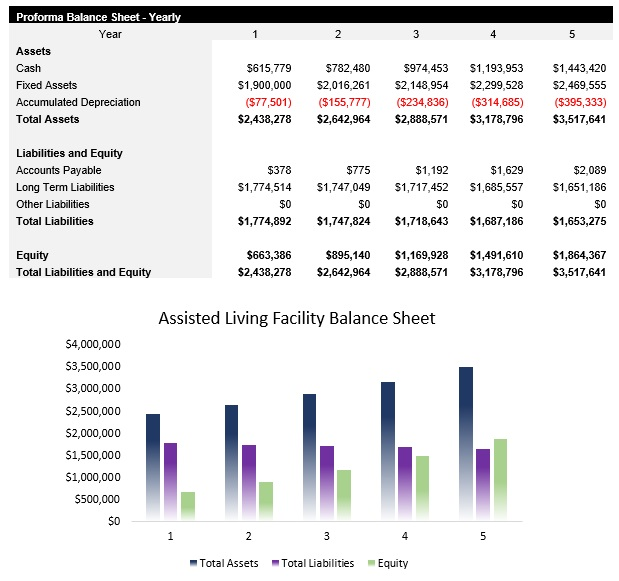
Once the segment of the work is completed, we had move into developing the assisted living facility financial plan. Here, the three primary statements are the profit loss statement, cash flow analysis, balance sheet. We also develop a full scale, breakeven analysis, business ratios page, and common size income statement to complement the financial model. We always develop these business plans via a five-year outlook.
Once the segment of the work is completed, we then developed the assisted-living facility marketing plan. Here, we discuss the numerous ways in which the entrepreneur will establish a strong brand name for the business. As significant portion of this discussion revolves around pre-launch marketing campaigns so that families that have individuals that are older or have developmental disabilities become aware of the location development, which typically takes anywhere from nine months to one year. We also thoroughly discuss the use of numerous online marketing strategies, including PPC advertising, regional search engine optimization specific for the assisted-living facility industry, and use of social media in order to create brand visibility. This is complimented by further discussing how referrals from social workers, medical professionals, and therapists can be used to further drive ongoing enrollment of residents.
The fourth phase of this process now involves the development of the operation section of the business plan. Here we discussed the number of rooms that will be available, how many single occupancy rooms will be available, how many double occupancy rooms will be available, as well as the personnel. In regards to human resources, we thoroughly discussed having round the clock care available for all residents including registered nurses as well as assisted living care aides. An overview of the anticipated payroll is included in this section of a business plan.
Once we finalize this aspect of the work, we develop the secondary chapters which includes an in-depth discussion regarding a risk. Here we discussed the development risk, financing risk, valuation risk, and marketing risk. This Section also includes a discussion regarding matters related to the exit strategies that are applicable in the event that the assisted living facility has to be sold. We also include a SWOT analysis that discusses the strengths, weaknesses, opportunities, and threats that are faced by assisted living facilities within the specific target market area.
As it relates to the assisted living facility executive summary, we tend to develop this chapter of the business plan last. This is primarily due to the fact that it serves as a guide for the rest of the document which provides an overview of the operations, a brief overview of the anticipated financial results over a five-year period, a brief market overview, as well as introduction of the individual that is starting the business.