
As with any food service enterprise, the development of a burger restaurant business plan does have certain challenges and complexities. These businesses have been a mainstay part of the food service industry for decades. One of the best things about operating a burger restaurant is that they typically have lower operating costs given their casual nature while also enjoying significant contribution margins on each sale. These businesses are able to produce additional revenue from the sale of sides including fries, milkshakes, and beverages. However, given the competition this field it is imperative to have a well-developed business plan to ensure economic viability will also creating a differentiating factor to effectively complete against established locations.
Whenever we develop a burger restaurant business plan, we always take a market research first approach. This includes a deep examination as to the number of other burger restaurants in the market while also examining a number of economic and demographic metrics within the target market. Once we have completed the competitive analysis to ensure that the market is not overly saturated with competing burger restaurants, we then move into the development of the demographic profile while completing the target market analysis. This includes a review of the population size, population density, household income, as well as the median home value. Beyond these standard metrics, we also take a look at the unemployment rate and how the regional area responds to changes in its economy. This presents us with the ability to assign a risk score to the burger restaurant, which is an indication of its ongoing ability to thrive in all economic climate.
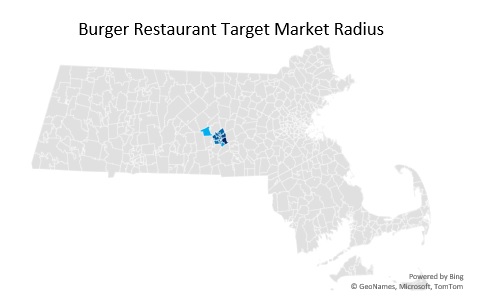
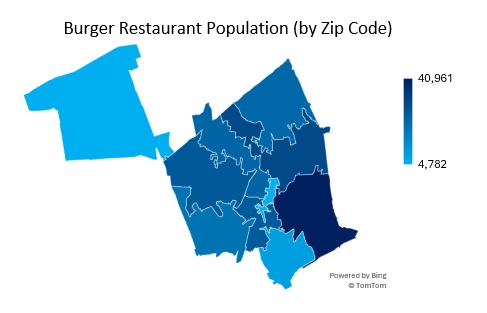
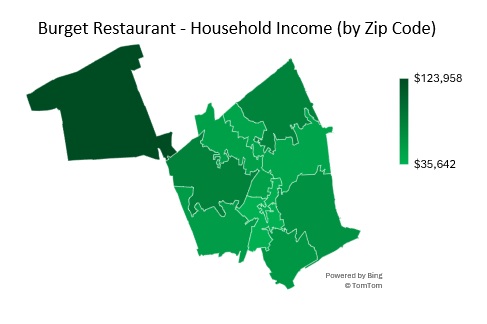
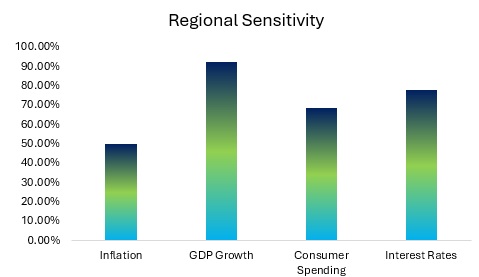
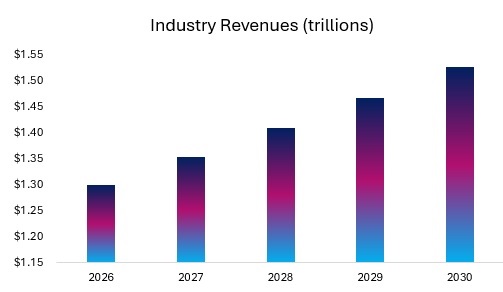
Once we have the market statistics in hand, we can then appropriately develop the financial model. This includes a profit and loss statement, cash flow analysis, DSCR analysis, common size income statement, balance sheet, as well as certain business ratios that are applicable to the restaurant and food service industry.
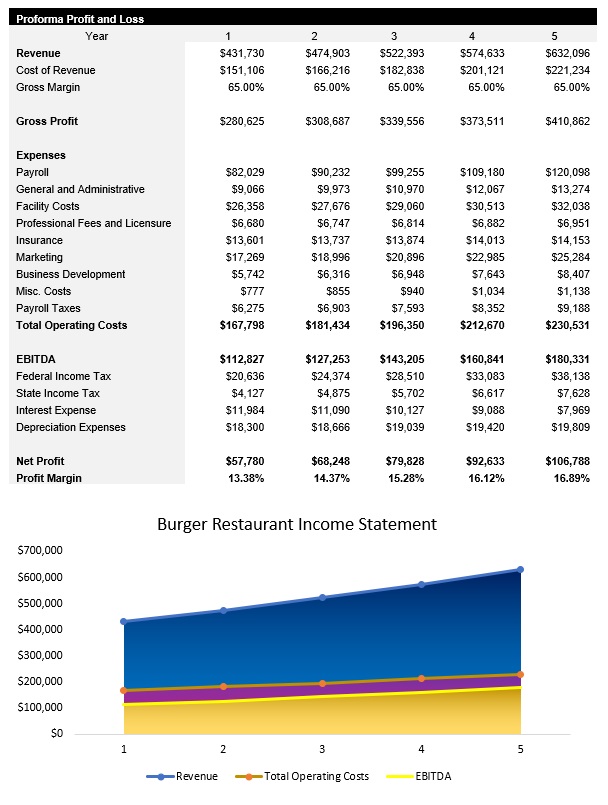
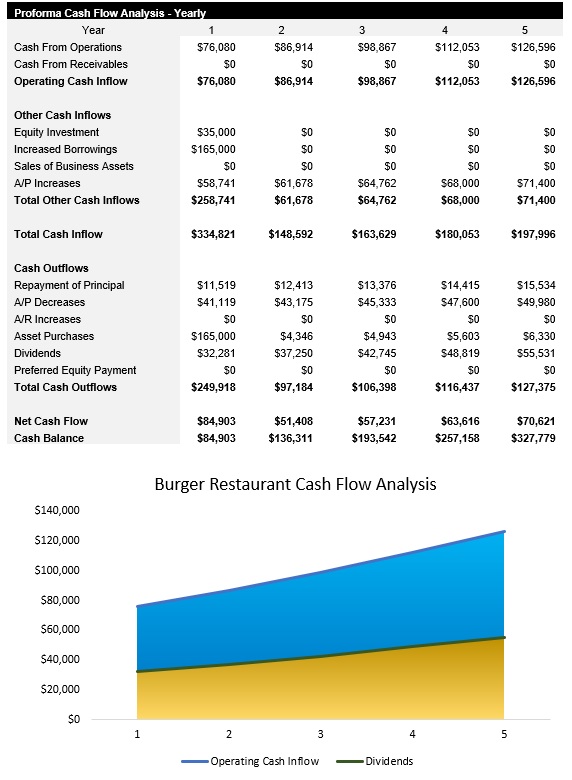
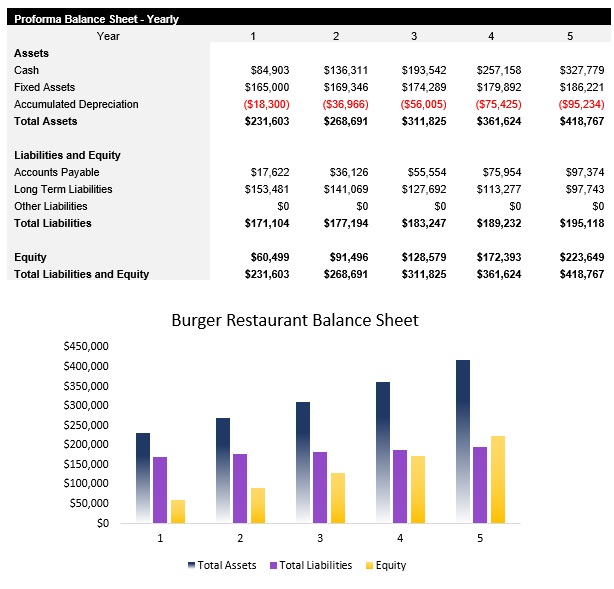
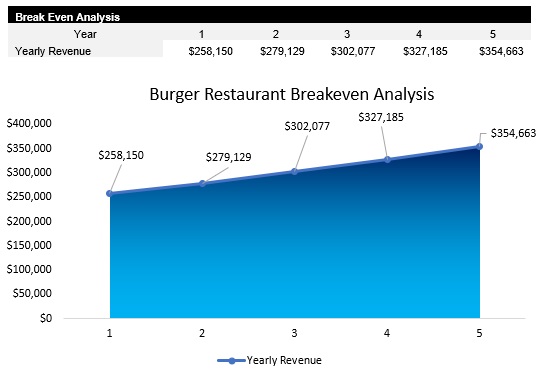
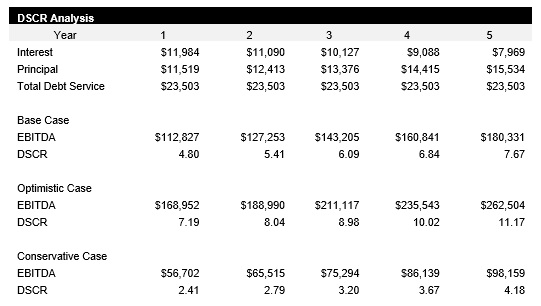
The market research and financial model consist of the foundation of business plan. Third, we move into the creation of the burger restaurant marketing plan. Here, we place a significant focus on the location that the entrepreneur is sourcing in order to receive as much visibility as possible from the street or roadway. For most burger restaurants, having a highly visible location is the absolute key to its success. To complement this, we discuss the numerous marketing strategies that can be used in order to further create visibility within the local as well as regional market. This includes the development of a pre-launch marketing campaign that is heavily conducted on an online basis. We always recommend that the online platform is established during the development period so that the business has a head start on many of its marketing channel establishment operations. The types of marketing strategies that we typically employ when discussing the development of a burger restaurant includes creating profiles on popular review websites, regional search engine optimization efforts, extensive use of social media, as well as video-based advertising. One of the ways that a local burger restaurant can become highly successful is by implementing certain deals for promotions during the grand opening period to drive traffic to the location. Video marketing showcasing the ongoing development of the burger restaurant is also an extremely important part of the pre-launch marketing campaign that can continue throughout the life of the business.
From here, we move into the development of the operation section of the burger restaurant business plan. This includes discussing the proprietary recipes that will be used during the course of food service, the types of beverages that will be offered, human resources matters, how the business will conduct its employee scheduling, hours of operation, as well as protocols for the safe handling and food in general operation of business.
Now that these four chapters are complete completed, we move into the secondary chapters of the business plan. It includes a SWOT analysis which provides us with the ability to understand these strengths, weaknesses, opportunities, and threats that are associated with this type of food service enterprise. As relates to strengths, burger restaurants are typically able to produce highly predictable income given that they operate for a large number of hours during the course of any given day. These businesses also enjoy substantial contribution margins. For weaknesses, these companies do face significant amount of competition from highly established businesses many of which that have national level visibility. As a really opportunities, these companies are able to effectively expand their operations by establishing additional locations while concurrently expanding the scope of their proprietary marketing campaigns. As it relates to threats, there are numerous inputs involved with the operation of a burger restaurant. There can be unexpected pricing spikes, which can impact the profitability of these businesses.
Now that the core of the business plan is completed, we then focus our efforts on developing the burger restaurant executive summary. Here, we take an overview approach to creating this part of the document so that the reader can gain a quick understanding of what the business is seeking to accomplish, its capital needs, information about the founder, and location information.