
Although e-commerce has become popular for purchasing apparel, clothing stores are still thriving in today’s e-commerce driven world. This is principally due to the fact that that many people want to try on clothing prior to making a purchase. As such, these businesses are able to thrive, especially if they are located in wealthy areas. One of the ways in which clothing stores have continued to remain relevant while expanding their year-on-year revenues, is by operating in a boutique capacity and offering unique apparel items that cannot commonly be found online. One of the best aspects of these businesses is that they have relatively low start of costs and they can be developed relatively quickly.
Whenever we develop a clothing store business plan, we focus very heavily on conducting an extensive amount of market research. This allows us to properly understand the market as well as its ability to operate as a profitable venture. The metrics that we examine when developing a business plan include population size, population density, annual household income, as well as median home value. The analysis of the median home value allows us to gauge the wealth of the market, as well as its ability to fully support a clothing store. Beyond these metrics, we also take a look at unemployment, regional GDP, as well as qualitative growth trends in the regional area. We develop a full economic sensitivity analysis in order to understand how the clothing stores target market area respond to different economic indicators.
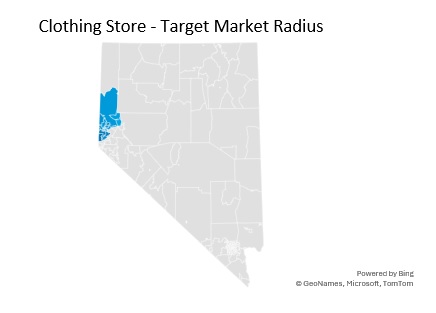
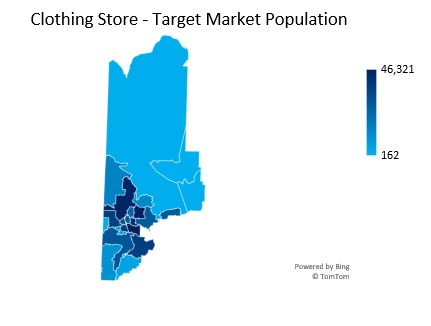
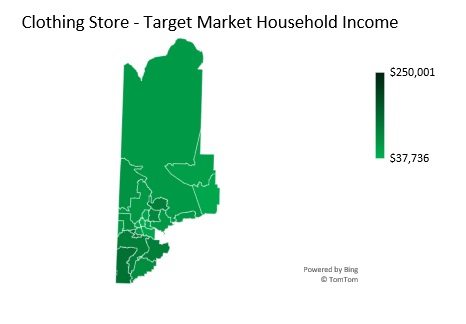
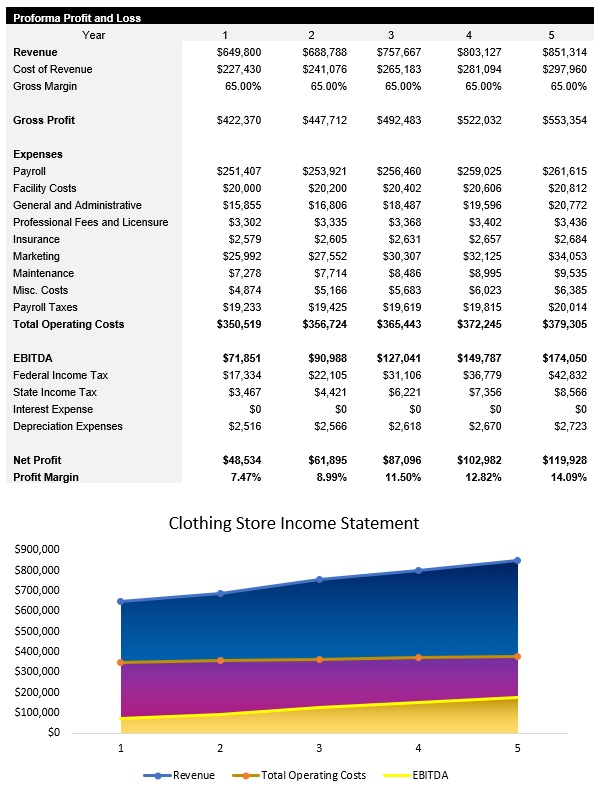
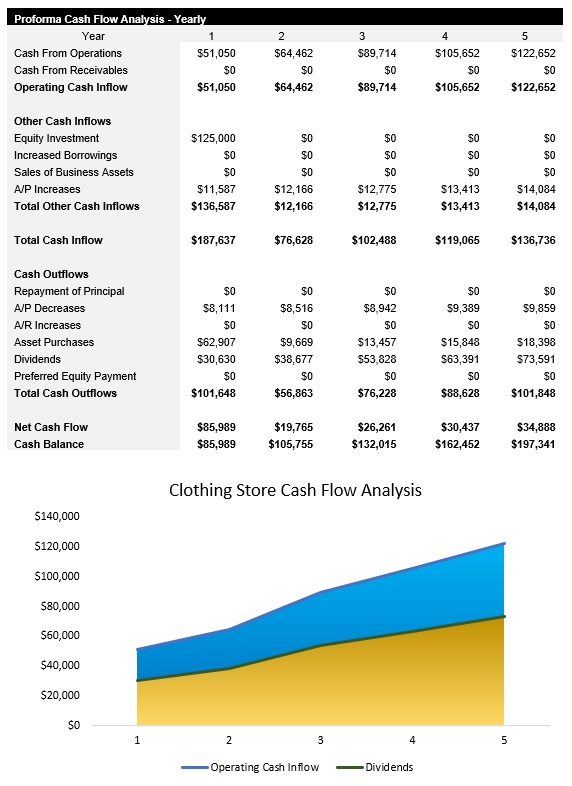
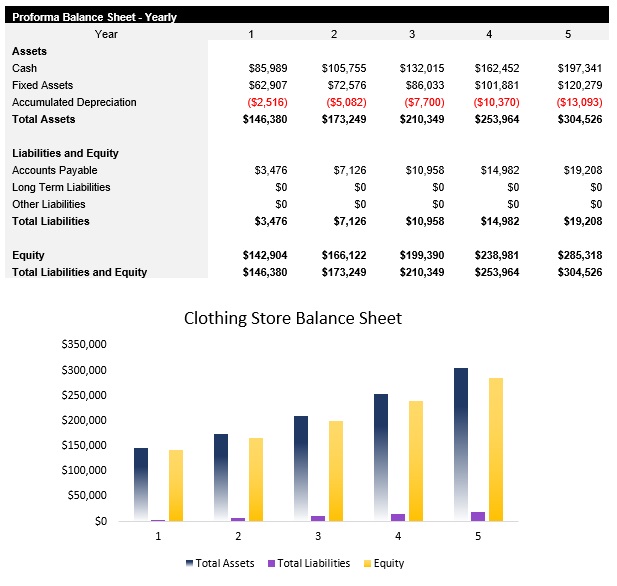
Now, that this portion of the clothing store business plan is complete, we then move into the development of the financial model. Here, we take a five-year approach to this aspect of the work which include includes a profit and loss statement, common size income statement, cash flow analysis, balance sheet, breakeven analysis, as well as applicable business ratios. One of the things that we focus on when developing this part of the business plan is to ensure that the clothing store is operating within the framework of what is to be expected by an established business.
Third, we developed the clothing store marketing plan. This is an incredibly important part of the business plan as it is the principal means in which traffic will be driven to the store. The scope of this part of the work includes an overview of using multiple online marketing strategies during the course of the buildout in order to create brand visibility and location awareness. The scope of this includes search engine optimization, social media marketing, search engine advertisements, as well as video driven content. As it relates to videos, we focus on developing content that can be distributed not only on the website, but also through popular video sharing platforms such as YouTube in TikTok. We also discuss the ability to host fashion events and related gatherings to further engagement with customers.
Now we move into the fourth section of the business plan, which is the operations overview. Here, we discuss the types of apparel that are offered, pricing points, hours of operation, staff scheduling, and other pertinent information regarding the day-to-day operations of the clothing store.
These are the foundational chapters of the business plan and once these are complete, we move into the development of the secondary chapters and appendices. This includes an overview of the risks that are associated with establishing an apparel focused enterprise, a SWOT analysis, as well as discussing key strategic issues that need to be addressed through the life of the enterprise. As it relates to strengths, clothing stores have relatively low startup costs, and they provide a product which typically remains in strong demand in any economic climate based on the pricing point. For weaknesses, this is a highly competitive industry and clothing stores must engage in certain strategies in order to effectively create a visible brand name. As it relates to the opportunities, these businesses are able to expand by establishing additional locations while also increasing their online footprint. For threats, ongoing issues with inflation can impact the profitability of these businesses as the cost of revenue increases.
Finally, we move into the development of the clothing store executive summary. Here, we provide a full overview of the business in a relatively condensed and concise manner. This includes an overview of where the clothing store will be located, the types of apparel that will be provided, information about the owner, as well as general information about the startup and launching the business.