
Developing a business plan for an electrical engineering firm is a complex task given that there are multiple factors of operation that need to be addressed. Most importantly, a proper revenue profile needs to be established in order to showcase both per project as well as per our fees that will be generated through the course of business. Beyond this complexity, the company needs to implement a wide-ranging marketing plan that will allow the business to not only source clients on a regional basis but also the national level as well.
Whenever we develop a business plan on specific for an electrical engineering firm, we first complete an extensive amount of market research and analysis. Given that there are a number of different disciplines within the scope of electoral engineering, we focus on the specific types of companies that the firm will target throughout the course of its operations. This is done by using numerous sources to determine the total addressable market based on the types of services that are going to be rendered. From here, we then take a look at the potential market share that electrical engineering firm can acquire by using both regional and national level marketing campaigns.
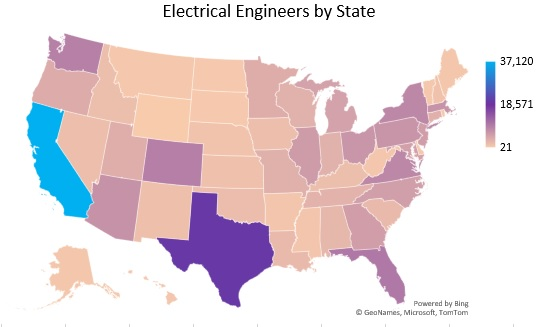
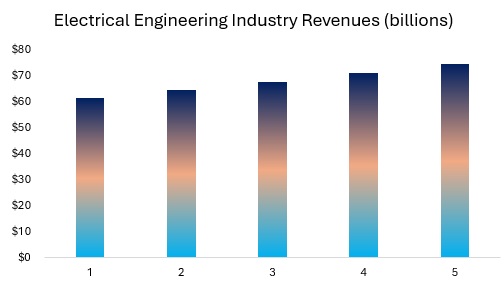
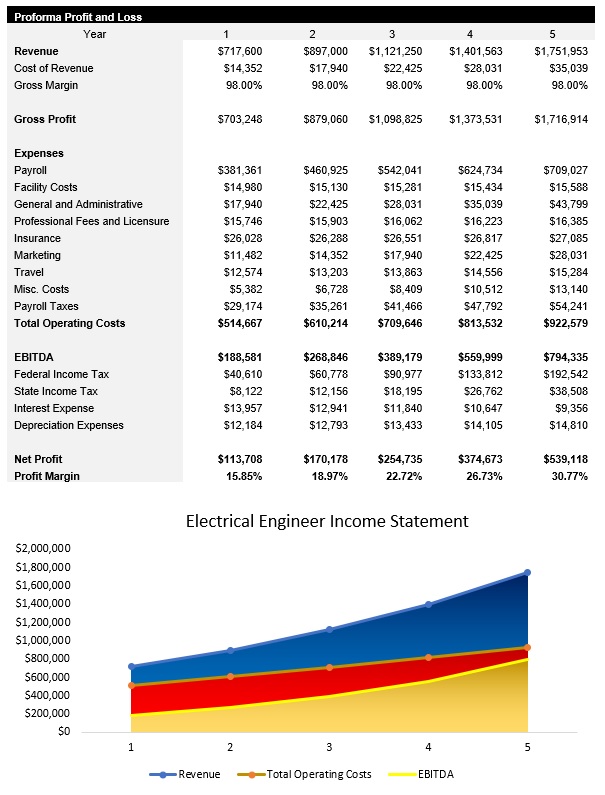
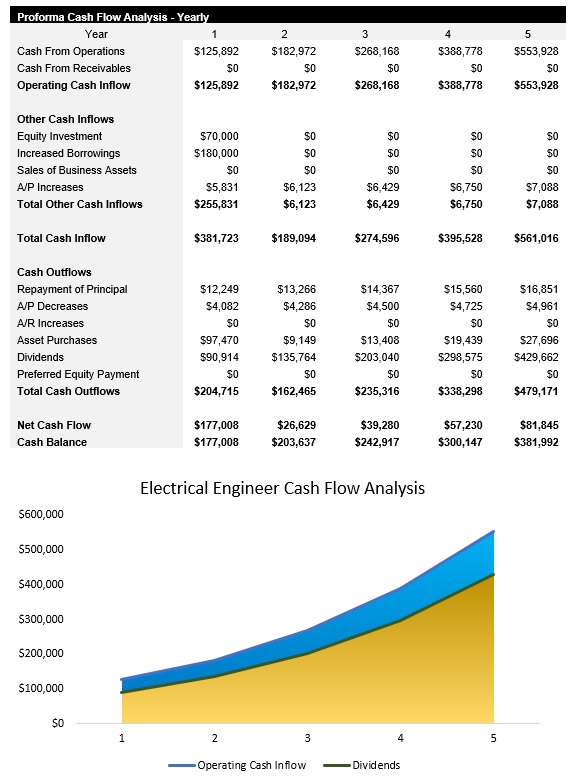
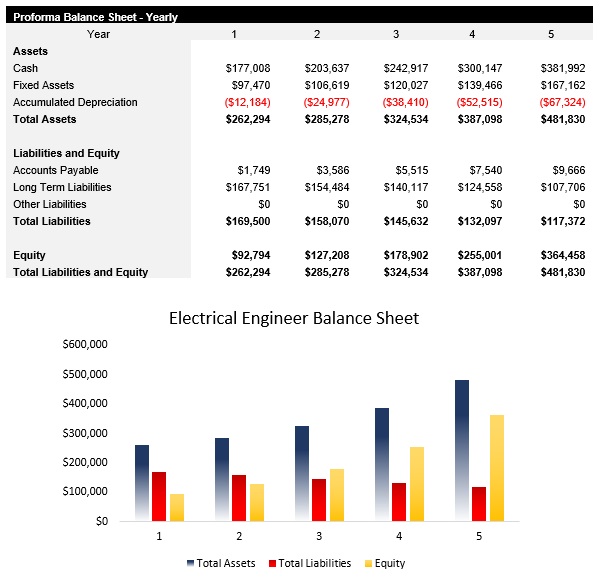
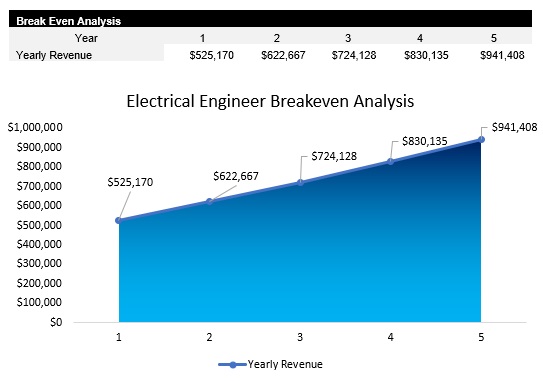
Once we determine market size as well as the client acquisition cost, we then focus our efforts on developing the revenue profile. This allows us to determine the amount of topline income that can be produced each year based on the number of projects as well as the number of electrical engineers that will be on staff. Using this information, we then develop the profit and loss statement, cash flow analysis, balance sheet, as well as other business metrics that are part and parcel of operating and electrical engineering firm.
Now that we have these two chapters completed, we then move into developing the electrical engineer, marketing plan. Here, we focus on using numerous online marketing strategies including search engine optimization, development of white papers, targeted search engine ads, social media, as well as direct outreach. The vast majority of people that establish their own electrical engineering firm have significant contacts within an industry, and they are typically able to leverage their existing relationships in order to establish an initial client base. As these companies expand, they may also use traditional marketing strategies, such as trade journal, advertising, attendance at conferences, as well as related event-based marketing, and networking.
We now move into the development of the electrical engineer operations plan. Here, we discussed the specific type of services that will be rendered by the firm, including the discipline of electrical engineering in which the business operates. We also address human resources matters in regards to the number of electrical engineers that need to be hired in order to achieve the revenue results that were discussed in the financial plan.
These three chapters form the foundation of the electrical engineer business plan. Now that we have this complete completed, with transition into developing the secondary aspects of the business plan, including the risk analysis and SWOT analysis. As it relates to strengths, electrical engineers are able to render their services on a nationwide basis. These companies generate substantial fees, given the complexity associated with developing circuits or power based systems. For weaknesses, these businesses do have very high payroll cost given that highly specialized expertise and experience is required in order to provide exceptional electrical engineering services. For opportunities, there are numerous ways in which these businesses can grow, especially through the continued hiring of highly skilled engineers as well as boosting its year-on-year marketing campaigns. For threats, an extremely severe economic climate can impact ongoing demand for new electrical engineering services. This is also a competitive industry.
Now the business plan is completed with the exception of finalizing the electrical engineering executive summary. We always develop this chapter last given that we are able to provide a substantial amount of information about the business in a relatively concise manner. Among individuals that read business plans, they typically will skip around to varying parts of the plan. As such, we developed these executive summaries to serve as both a guide as well as a roadmap while importing as much information as possible in a two-page summary.