
HVAC businesses are fantastic enterprises to operate. They enjoy a wide mix of revenue, ranging from substantial fees for new system installations to highly predictable income from ongoing maintenance repairs. These businesses also have the opportunity to generate highly recurring streams of revenue from ongoing maintenance contracts with both residential and commercial clients.
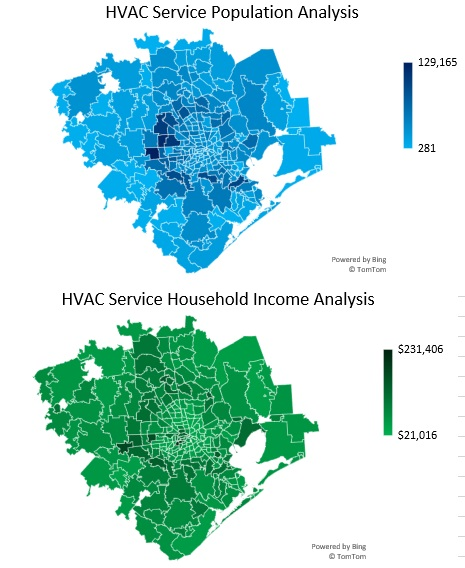
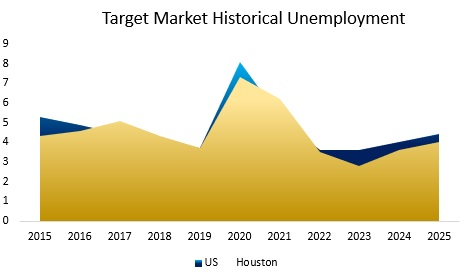
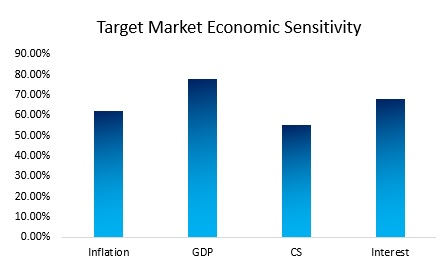
The development of an HVAC business plan can be challenging when trying to determine the amount of revenue that will be produced from each of these service centers. Whenever we develop a business plan specific for an HVAC enterprise, we focus heavily on the market research component first. This allows us to gauge the size of the market as well as the number of competitors that the business face as it develops its operations. The first step that we take is completing a substantial overview of the population, number of households, number of single-family homes, number of commercial properties, median household income, population density, and median home value. This is important for a few reasons. First, it allows us to ascertain the strength of the market, and how it reacts during challenging economic climates. Although HVAC services are an absolute necessity, during economic recession the demand for new system installations may decline slightly. As such, we focus on completing a target market analysis and then assign a specific risk score based on the attributes listed above. For a financial institution or private investor, this creates a substantial degree of value given that they understand the risk of establishing a new HVAC system as compared to national statistics.
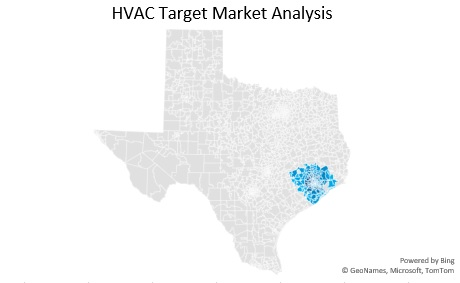

Once we go through this part of the process, we then determine the total addressable market (TAM) value within your specific region. This is calculated by examining the median household income, population size, and ongoing demand for HVAC services. We also include analysis regarding the demand from the commercial sector as well. From here, we then established the service obtainable market (SOM), which is a function of the number of competitors in the area.
Now that we have the market research completed, we then move into developing the HVAC financial model. Here, we develop a profit and loss statement, cash analysis, and balance sheet based on the amount of capital required. This is complemented with a DSCR analysis, breakeven analysis, business ratios, as well as a proforma valuation. All financial models that we develop are done on a five-year basis. We also include monthly profit and loss in cash analysis statement statements for the first year and quarterly for years two through five.
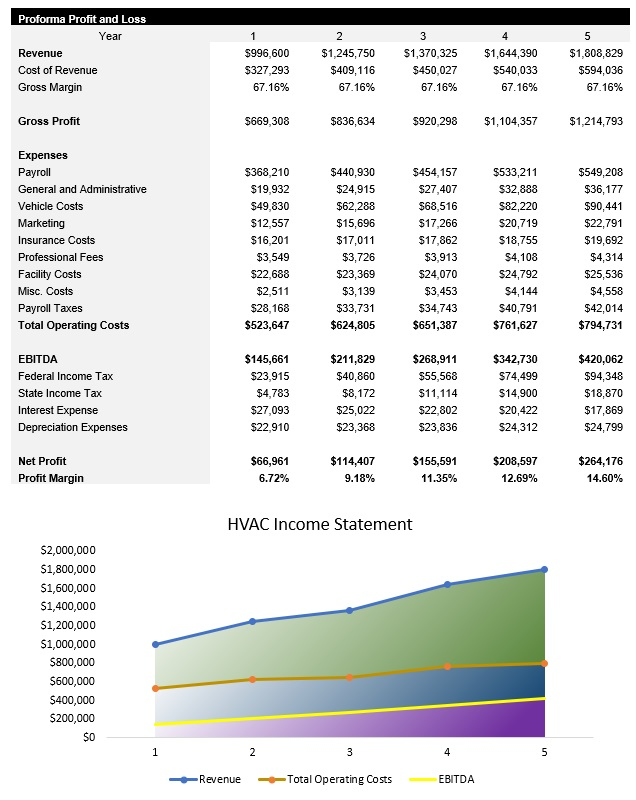
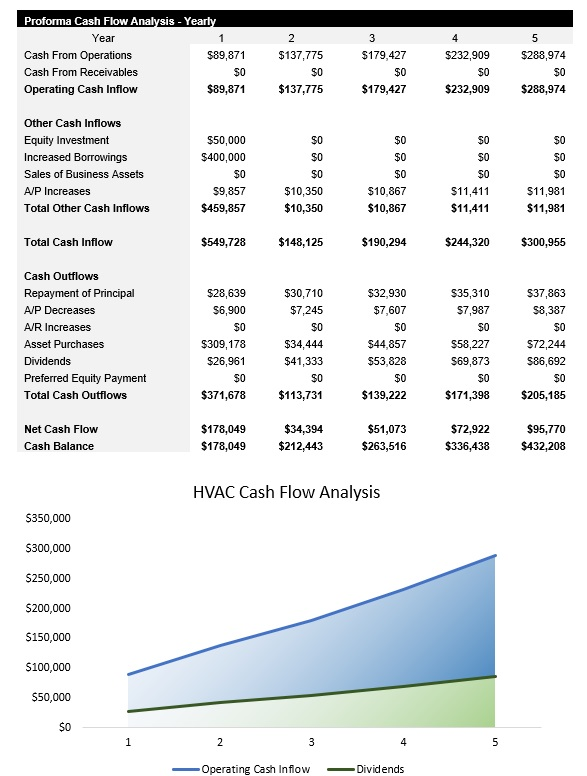
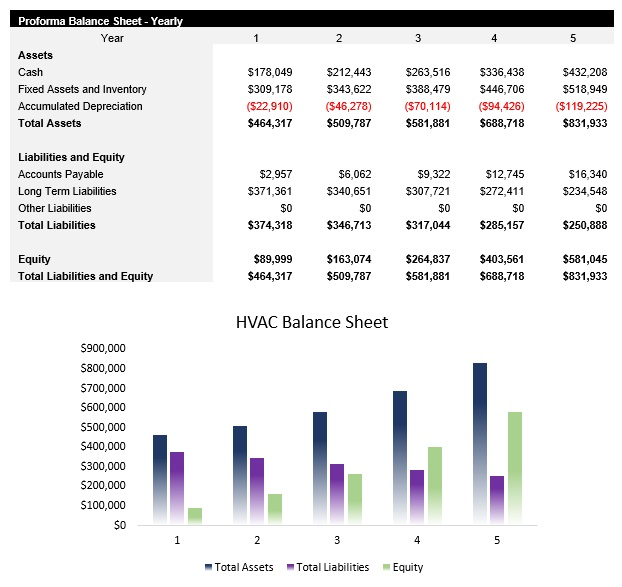
Once the segment of the work is complete completed, we had move onto the HVAC marketing plan. I’m of the opinion that this is the most important section of the business plan outside of the required market analysis and financial modeling. Given that the HVAC market is competitive, new entrance must always find ways to create significant differentiating factors. Here, we focus on marketing messages that discussed the reliability of the service as well as it’s cost-effective nature. The scope of the marketing plan also discusses the implementation of PPC, the use of search engine optimization, targeted social media, and ongoing relationship development with commercial enterprises. We also discuss establishing ongoing relationships with homeowners’ associations in order to provide HVAC services for common areas.
Once this is completed, we then move into the operations portion of the HVAC business plan. In this section, we discuss the scope of services offered for residential and commercial clients. We also discuss the brands of HVAC equipment that will be provided to clients often through an authorized dealer relationship. Employee scheduling, headcount, and addressing risks related to the day-to-day operations of the business are also included.
Now that the primary chapters of the business plan are finalized, we moved into the secondary chapters. This includes an overview of key strategic issues, completing a SWOT analysis, and addressing risks related to the economy in the industry.
It should be noted that are part of our market analysis, we not only focus on the target market area for the HVAC enterprise, but also discuss trends within the industry. This includes a discussion about how new technologies will transform the HVAC industry, especially as it relates to predictive analytics regarding energy usage and equipment maintenance.
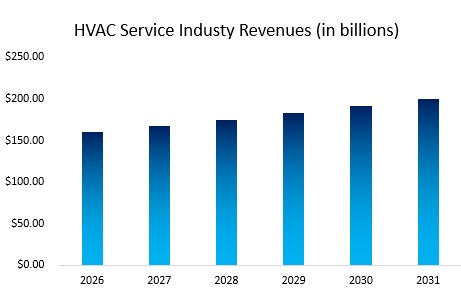
Finally, we developed the HVAC executive summary. We typically leave this portion of the work to last as the executive summary serves as an overview for the remainder of the business [lan document. Here we provide a two to three page overview of the business, including a profit and loss snapshot, market analysis snapshot, overview of services offered, and a discussion about how the business will establish its operations.