
There are numerous complexities and challenges when developing a business plan specific for a skincare line. This is primarily due to the fact that a substantial budget is required in order to effectively provide a runway to create a well-regarded brand will also having the necessary capital available to complete the business startup. There are numerous facets of operation that need to be addressed within the scope of a skincare line business plan. One of the positives about this business is that once they are established, they can become highly lucrative brands that can ultimately have a significant amount of value. Although this is a highly competitive industry, there are ways in which a new skincare line can effectively launch its operations.
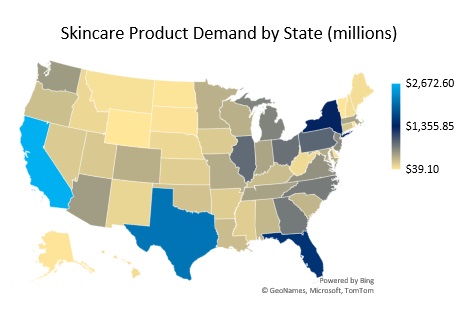
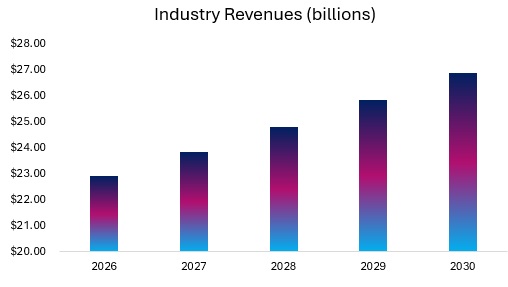
As with any properly developed business plan, the market research component of the work comes first. Specific for a skincare line, we examine the total addressable market of potential consumers based on the demographic profile and brand personas that are being targeted. Once we are able to make the determination regarding the TAM size, we then move into calculating the service obtainable market (or SOM). This allows us to understand the number of potential consumers that will ultimately become buyers of the skincare product line. Most importantly, this allows us to create a revenue profile based on direct consumer sales, wholesale distribution, as well as an auto fill program.
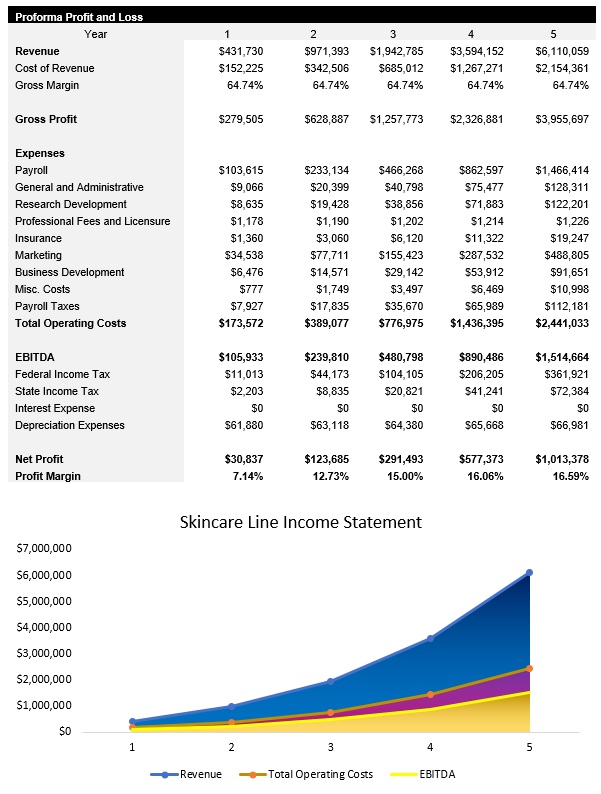
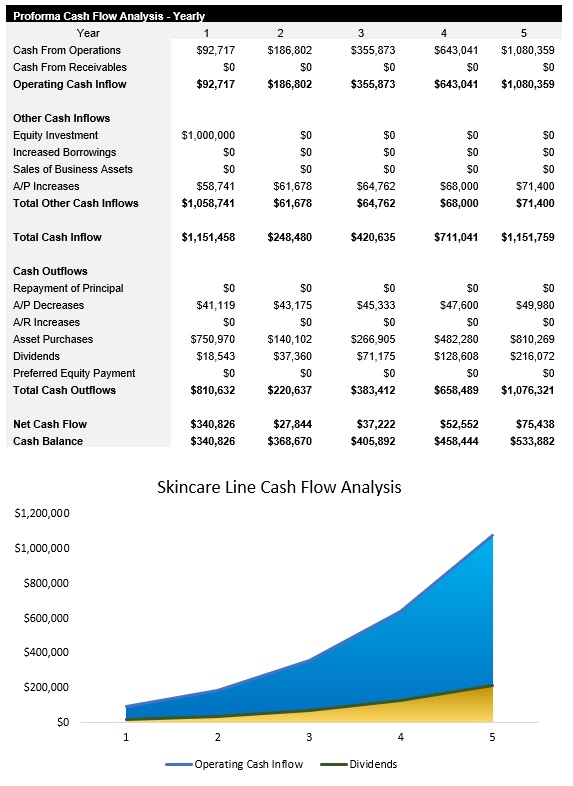
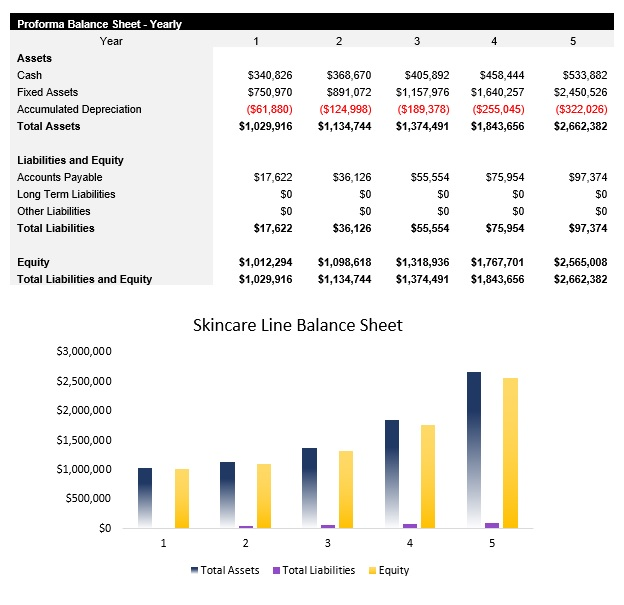
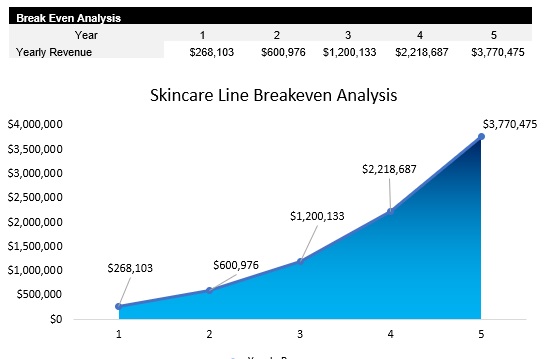
As it relates to creating the skincare line financial model, we take a multifaceted approach to this part of the process. As noted above, many skincare lines will provide their products in three specific capacities. A significant focus of our work is to showcase the implementation and expansion of an auto fill program given that this will produce recurring streams or revenue. Income of this nature can fully support the operations of the skincare line while allowing for reinvestment into significant growth opportunities. The scope of the financial model that we develop is done over a five-year basis and it includes a profit and loss statement, cash flow analysis, balance sheet, breakeven analysis, and business ratios overview.
From here, we then developed the marketing plan. Of all of the chapters specific for a skincare line, the marketing plan is typically the most important outside of having completed the necessary market research and financial modeling. As this is a highly competitive industry, it is incredibly important to develop and distribute marketing messages that sets the product line apart from other companies in the market. One of the things that we take under consideration when developing a skincare marketing plan is the use of a third-party firm to assist in this process. In certain instances, this may contribute to higher startup costs although the return on investment can be significantly higher given that these firms are able to more quickly place advertisements, especially within publications that will increase brand visibility. We also thoroughly focus on the use of e-commerce channels in order to drive early sales. In some cases, the owners will also engage in pop-up shops and use the farmers markets in order to familiarize the local market with the types of products offered. This can be a highly cost-effective way of establishing a brand on a regional basis prior to national level expansion. When we develop a business plan specific for this type of company, we almost always will include a breakdown of the marketing budget allocation on a per channel basis.
After this section is complete, we developed the skincare line operating plan. Here, we showcase the scope of products offered, formulations, differentiating factors, as well as addressing ongoing issues that a skincare line will face. This includes addressing regulatory matters, which is typically done in tandem with a manufacturer that will produce the products on a white label basis. In the section, we also address human resources issues, especially as it relates to onboarding marketing staff that will create significant brand of visibility in tandem with the use of a third-party marketing firm.
We then move into the risk analysis in SWOT analysis section of business plan. As it relates to the SWOT analysis, we focus on the strength of the skincare line, its weaknesses, opportunities for growth, as well as potential threats that may impact the operations of the business. As relates to the strengths, skincare lines are able to produce highly predictable revenue once they establish a well noted brand profile. For weaknesses, this is an extremely competitive industry given that there are numerous major national level firms that have highly established market shares. In regards to opportunities, skincare lines can create new products that can be distributed through established sales channels. For threats, this can vary depending on those skin care line and its pricing point. Many people consider these products to be a necessity, which allows for a strong degree of economic stability among these enterprises.
Now that we have the entirety of the business plans complete, we move into the final chapter, which is the executive summary. Of course, the executive summary comes first we always but we develop it last so that we can provide a overview regarding each aspect of the operation and the business within a two page to three page overview.