
Music is universally enjoyed, and people will seek out premium equipment in order to enjoy music in their homes. Speaker stores are an important point of sale specific for this type of product as most people want to try speakers and amplifiers before they make a purchase. As such, these businesses face lesser risk from online competitors given the expense of speakers and related audio equipment.
When we approach the development of a speaker store business plan, we focus very heavily on the initial market research that needs to be conducted in order to determine the market size. Most speaker stores enjoy a very wide target market radius given their unique nature. Generally, a speaker store entrepreneur can expect a 30-to-50-mile radius, especially if the business carries hard to find lines of premium audio equipment. The scope of our analysis includes an overview of the population, population size, and median household income. Very importantly, the median household income is examined to ensure that the target market area can afford premium audio equipment will also ensuring that the business will be able to remain economically stable during a challenging economic climate.
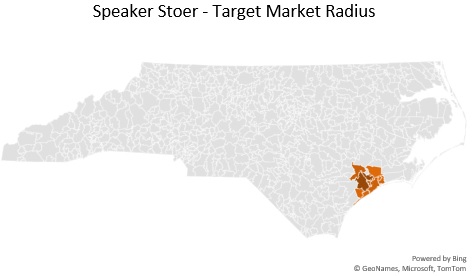
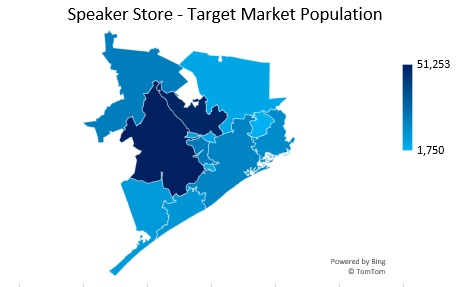
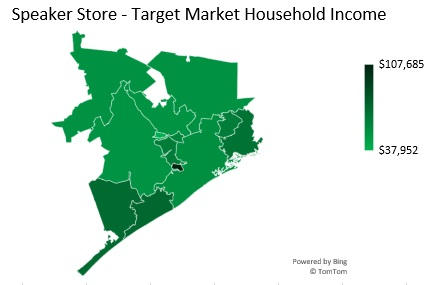
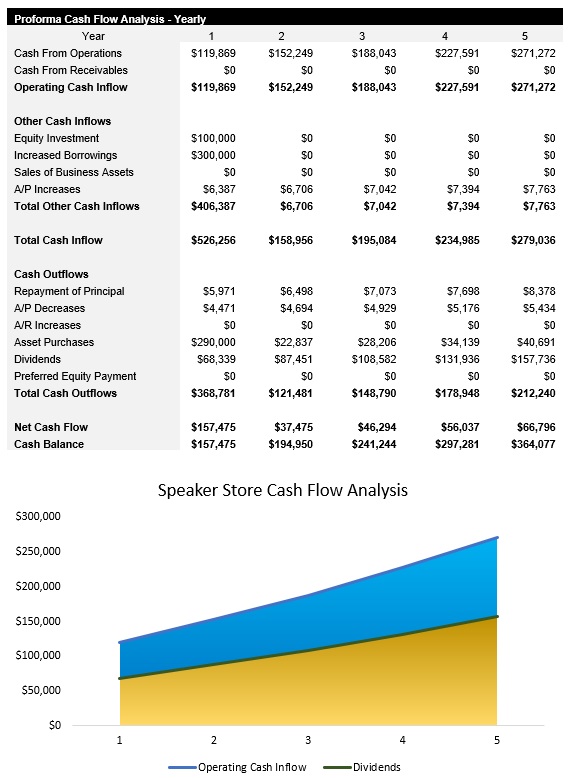
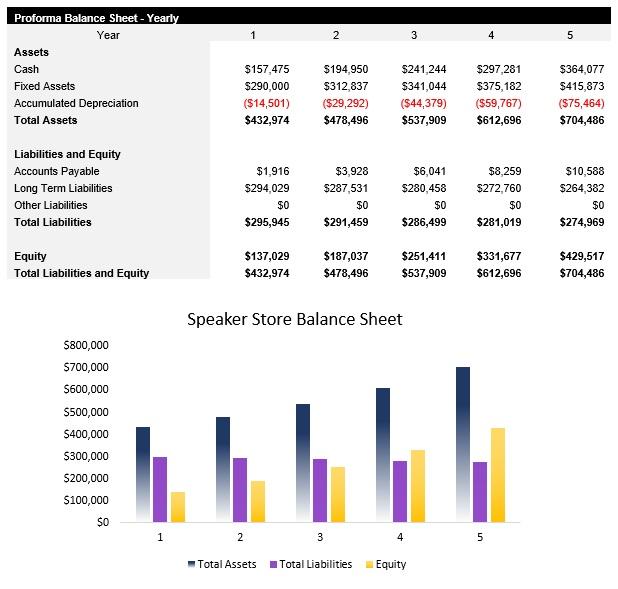
With the information that we obtained during the market research process, we then move into developing the revenue profile. Here, we take a look at the number of speakers and amplifiers that will be sold on a yearly basis. The per unit economics is an extremely important component of our analysis. Once this is completed, we then developed the profit and loss statement, operating costs analysis, cash flow analysis, balance sheet, breakeven analysis, and other supporting tables that showcase the operations of the business over five-year timeframe.
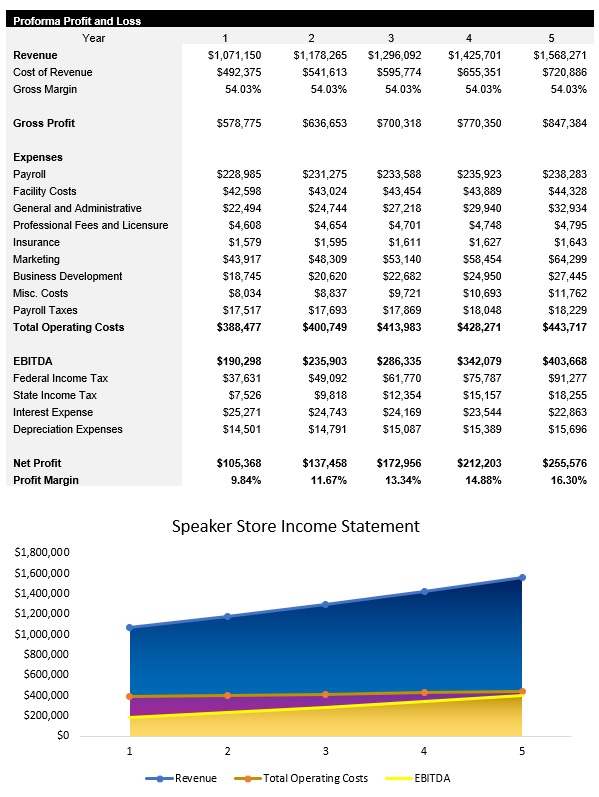
We then move into the development of the speaker store marketing plan. Very importantly, we discuss the numerous authorized dealer relationships at the company will have with major manufacturers. This will allow for a greater ease in marketing. Beyond the affiliation with major brands, we also discuss the use of online marketing strategies in order to create regional awareness. As noted above, the target market radius for these types of businesses can extend as far as 50 miles. As such, it is important to have a regionally driven search engine optimization campaign that will create significant online visibility from the onset of operations. This can be accomplished through numerous means, including the ongoing development of content for the speaker stores website. News and information about the industry can also be included in order to further drive engagement.
Now that these chapters are completed, but then move into the speaker store operating plan. It includes an overview of the brands of speakers that will be offered, pricing points, human resource needs, hours of operation, as well as other pertinent information related to the day-to-day operations of the speaker store.
Now that the foundation of the business plan is fully finalized, we then move into a risk analysis component. This provides an overview of how the target market will respond during the course of a challenging economic climate. The factors that we review through this analysis include changes in gross domestic product, inflation, unemployment, the prime interest rate, as well as consumer spending. We calculate how the regional economy has performed historically based on this information. This is important to note because we were able to develop a risk score specific for the business as well as the market that it is operating within.
Now that the business plan is completed, we finalize the last chapter which is the executive summary. In any business plan, the executive summary always comes first. This part of the analysis typically spans two pages or three pages at most. It is designed to provide a comprehensive overview of this speaker store, where the business will be located, the types of audio products that will be offered, as well as other pertinent information about the business.