
If you are starting a business or need assistance developing a business plan then you have come to the right place. Over the past twenty years we have worked closely with our clients in regards to putting together comprehensive business plans that are appropriate for a wide range of purposes including securing capital, showcasing the business to potential partners, and establishing ongoing relationships with colleagues that may join your organization. During the past two decades, we have developed an extensive process that addresses each aspect of your startup or for the ongoing expansion of your enterprise. Throughout this discussion, we will provide a step-by-step overview of the approach we take when developing a business plan.
Although we hold ourselves out as a business plan writing firm, we are very much a market research firm first. Any well-developed business plan requires an extensive analysis not only regarding the local market in which you are operating your business but also from an industry standpoint as well. Each plan we complete is done specifically for the needs of each client. As such, we take a bespoke approach to market research and analysis. For local and regionally focused businesses, we focus very heavily on the target market with analysis spanning an in-depth review of population size, population density, median household income, median home value, as well as numerous economically driven metrics for the area. This includes an intensive analysis regarding how the target market area’s response to specific changes in the economy (including an overview of GDP, inflation, changes in consumer spending, changes in unemployment, and fluctuations of the prevailing prime interest rate).
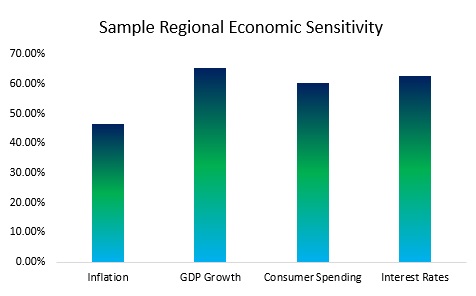
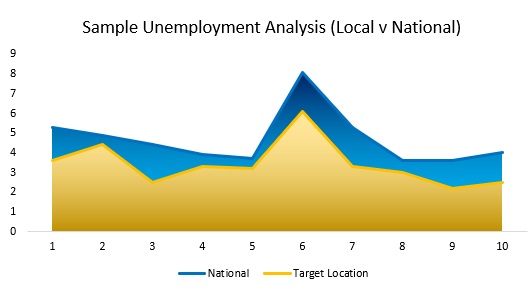
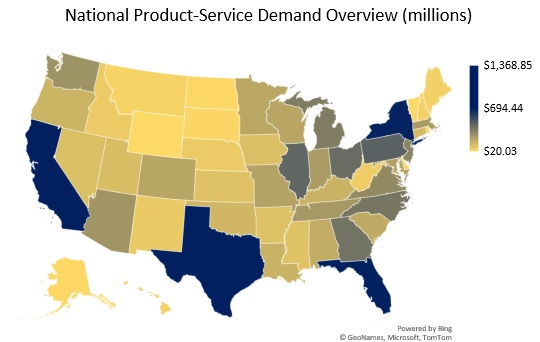
In the event that you are starting a business, such as an online enterprise, we take a national level approach to the market analysis. This includes applying metrics that we would normally use within the course of a locally focus business and applying them to national level markets. This is accomplished by first developing a comprehensive demographic profile of the most likely customers or clients that will use your services or purchase your products. Please note that we include national level industry analysis even for local/regionally focused business.
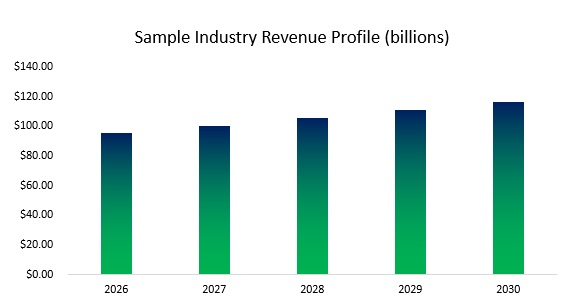
The primary reason that we conduct the market research first so that we can develop an appropriate assumptions list when we form the financial model. We take into account both the total addressable market (commonly referred to as TAM) as well as the service obtainable market (often referred to as SOM). Once we determine the SOM, we then complete an extensive competitive analysis to see how many market agents are competing for the same customers. This provides us with an overview as the viability of the business to make sure that the target market is not oversaturated.
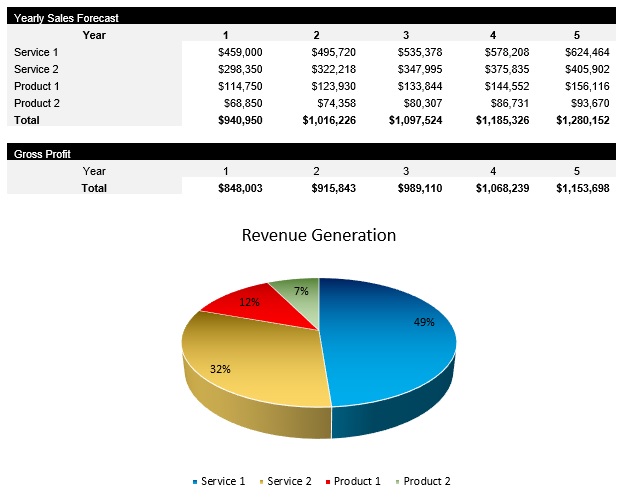
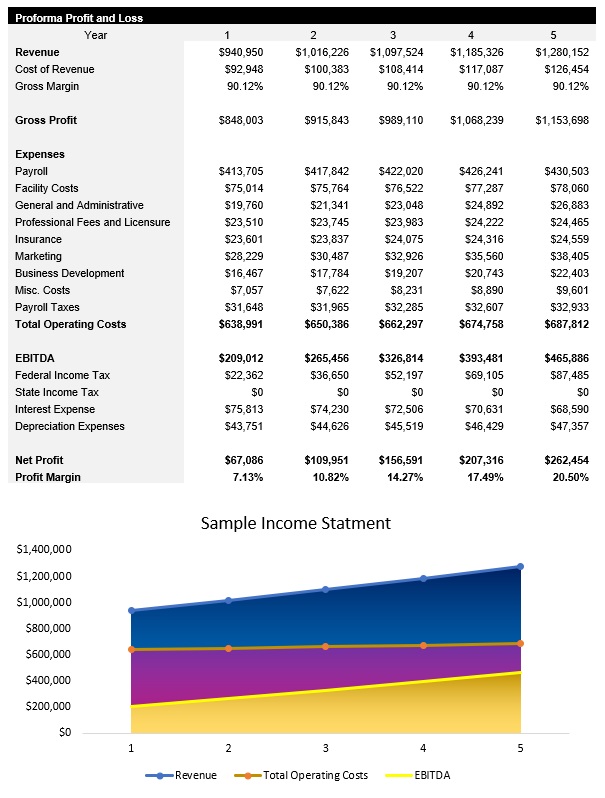
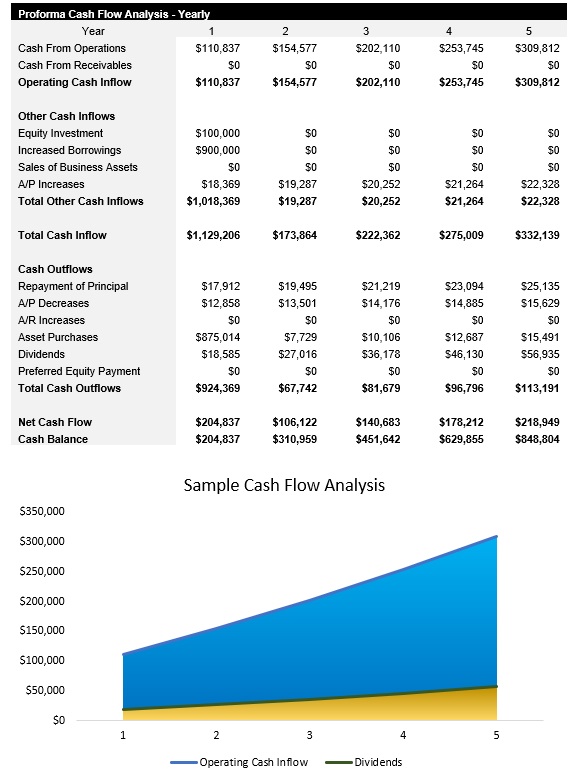
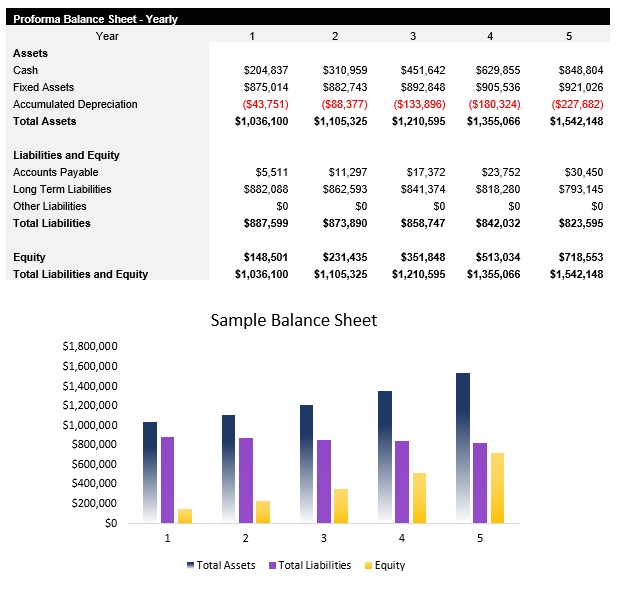
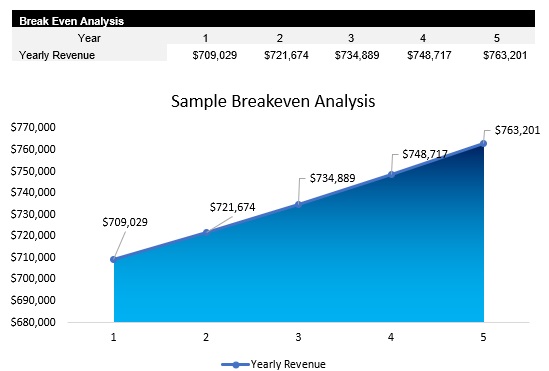
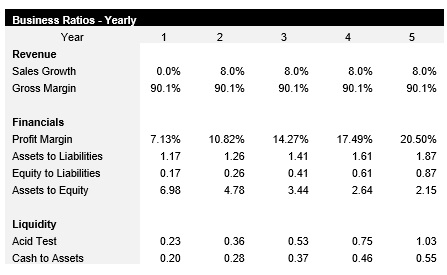
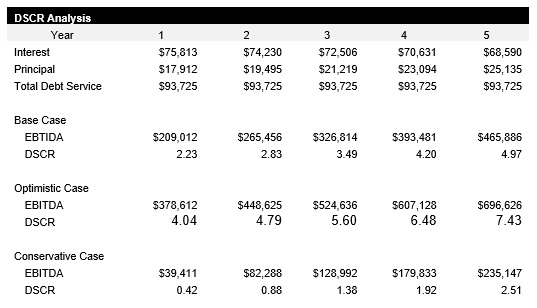
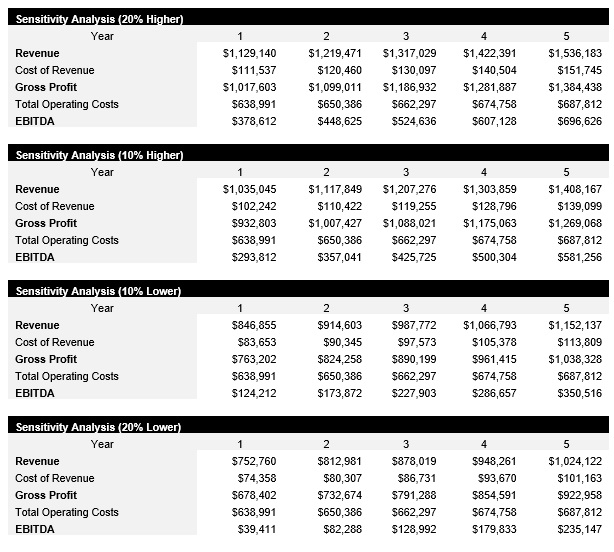
Once this determination is made, we then begin to develop the financial model. All business plans that we create include a profit and loss statement, common size income statement, cash flow analysis, balance sheet, breakeven analysis, DSCR analysis (if applicable), and applicable business ratio specific for the industry. This ensures that the planned business is operating within the scope of what is expected. In the event that you are seeking private capital for your enterprise then we also include a proforma valuation which assists during the negotiation process when determining how much of the business is going to be sold in order to acquire the necessary funding.
Once this part of the work is complete, we then move into the development of the marketing plan. This occurs over numerous of subchapters so that each aspect of how you intend to reach customers is addressed. We focus very heavily on establishing a wide-ranging pre-launch marketing campaign so that initial brand visibility can be established during the time when you are developing the business. The need for this type of approach is near universal given that businesses ranging from retail stores to e-commerce businesses need to establish a readied customer base so that revenue generation can commence as soon as the business begins its grand opening.
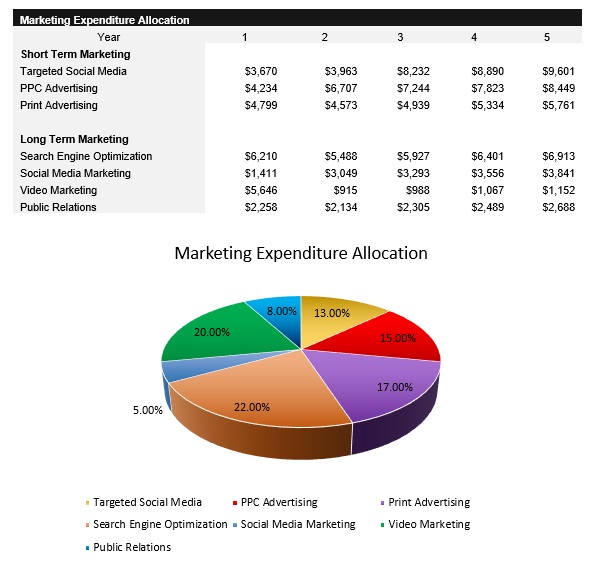
The development of the marketing plan is completed once we finalize a financial model as we are able to create tables that showcase the numerous marketing, advertising, and sales channels that will be used during the course of operations. The scope of our discussion include includes both short term as well as long-term marketing strategies. On a short-term basis, we focus on using traditional print advertisements as well as online strategies that can drive immediate traffic to your website or brick-and-mortar location.
On a long-term basis, we discuss the use of strategies including local search engine optimization, national level search engine optimization, social media influencers, brand ambassadors, as well as video-based advertisements. Given the power of the Internet, the use of video advertisements with distribution through YouTube and TikTok can increase brand visibility at a relatively low cost. Depending on the type of business, we will also discuss the implementation of affiliate marketing as this is an outstanding way to drive traffic to a website at no cost unless a purchase is made. Although typically reserved for e-commerce related to businesses, affiliate marketing programs can also be applied to local businesses that provide ongoing referrals.
These three chapters are the foundation of any business plan. From here, we continue to develop the work within by moving into the operation section of the document. Here, we engage in a wide arranging discussion regarding the types of products and service you are selling, addressing human resources matters, discussing contingency plans, risk mitigation strategies, as well as other pertinent details regarding the day-to-day operations of the business.
As it relates to human resources, we analyze the required headcount and payroll in order to onboard qualified staff that will further the mission of your business. In some cases, we will include full candidate profiles regarding the qualifications for each type of employee.
One of the key analyses that we also conduct within the scope of the business planning process is the development of the use of funds. Here, we provide a substantial, detailed allocation that showcases how your launch budget will be used. Special attention is played to the ongoing acquisition of tangible assets as these require specialized calculations in regards to depreciation.
Now that the core of the business plan is complete, we move into developing the secondary sections of the business plan. This includes a risk analysis section, SWOT analysis, key strategic issues, as well as an overview of the organization. As it relates to the risk analysis, this encompasses an overview of the development risk, financing risk, economic risk, marketing risk, and exit related strategy risks.
As it relates to the SWOT analysis, this is an overview of the strengths, weaknesses, opportunities, and threats that are faced by all business enterprises. In this section, we typically will conduct an overview on a bullet point basis in order to ensure that the reader has an understanding of these attributes as relates to your company.
For key strategic issues, we analyze competitive advantages, as well as the way in which the business will be able to remain economically reliable, even during a challenging economic climate. It also includes key growth avenues, such as continually increasing the scope of marketing operations, acquisition of additional operating assets, expansion to include new business divisions, potential acquisition of similar companies, and continued hiring of key personnel.
Now that the primary chapters in appendices of the business plan are completed, we then move into the development of the executive summary. Although it may seem counterintuitive, it is important to develop the executive summary last. This is primarily due to the fact that many people when reading through a business plan will skip chapters in order to focus on the most important aspects of the document. Over the past two decades, we have noticed this trend since the very start of when we began providing this service. The approach we take when developing an executive summary is to have it almost operate as a miniature business plan that provides the key details for every aspect of the business and how it intends to launch and grow.
Below is an overview of the approaches that we take for several different types of businesses:
Assisted Living Facility Business Plan Writer
Auto Repair Shop Business Plan Writer
Barber Shop Business Plan Writer
Bubble Tea Shop Business Plan Writer
Burger Restaurant Business Plan Writer
Candy Store Business Plan Writer
Car Rental Business Plan Writer
Cleaning Service Business Plan Writer
Clothing Store Business Plan Writer
Computer Repair Business Plan Writer
Convenience Store Business Plan Writer
Courier Service Business Plan Writer
Cybersecurity IT Firm Business Plan Writer
Data Center Business Plan Writer
Daycare Center Business Plan Writer
Dog Daycare Center Business Plan Writer
Dog Groomer Business Plan Writer
E-Bike Rental Business Plan Writer
Electrical Contractor Business Plan Writer
Electrical Engineer Business Plan Writer
EV Charging Station Business Plan Writer
Event Venue Business Plan Writer
Facilities Management Business Plan Writer
Fix and Flip Business Plan Writer
Food Truck Business Plan Writer
Freight Brokerage Business Plan Writer
Game Store Business Plan Writer
Hair Salon Business Plan Writer
Hot Shot Trucking Business Plan Writer
Ice Cream Shop Business Plan Writer
In Home Care Agency Business Plan Writer
Insurance Agency Business Plan Writer
Jazz Club Business Plan Writer
Landscaping Business Plan Writer
Laundromat Business Plan Writer
Marketing Firm Business Plan Writer
Medical Imaging Business Plan Writer
Mobile Car Detailing Service Business Plan Writer
Organic Farm Business Plan Writer
Pack and Ship Store Business Plan Writer
Periodontist Business Plan Writer
Property Management Firm Business Plan Writer
Real Estate Developer Business Plan Writer
Restaurant Business Plan Writer
Roadside Assistance Business Plan Writer
RV Park and Campsite Business Plan Writer
Salon Suites Business Plan Writer
Skincare Line Business Plan Writer
Short-Term Rental Operator Business Plan Writer
Sneaker Reseller Business Plan Writer
Solar Panel Installation Service Business Plan Writer
Speaker Store Business Plan Writer
Sports Bar Business Plan Writer
Sports Facility Business Plan Writer
Storage Facility Business Plan Writer
Truck Repair Service Business Plan Writer
Vending Operator Business Plan Writer
Helpful Insights
Choosing a Business Plan Writer in 2026
Frequently Asked Business Planning Questions
Knowledge Hubs